
Most popular
ERA Series
4,000 ft
From $119
Warehouses, shops, and acreage
- Extra-loud + strobe receivers
- Expand to dozens of zones
Entry alerts help staff or homeowners know when someone opens a door, walks through an entrance, or crosses a monitored area. They are common in retail stores, offices, clinics, counters, waiting rooms, stock areas, and back doors where it is easy to miss an arrival.
Compare sensor styles, receiver options, and range before you browse the loop.

Quick answer
Start with the trigger. A door contact works when a door opens, a motion sensor works when someone enters an area, and a beam sensor works when you need a cleaner line-crossing alert.
Entry alerts help staff or homeowners know when someone opens a door, walks through an entrance, or crosses a monitored area. They are common in retail stores, offices, clinics, counters, waiting rooms, stock areas, and back doors where it is easy to miss an arrival.
The right system depends on how the opening should be detected. A door contact is best when the alert should happen only when the door opens. A PIR motion sensor works better when you need wider coverage in front of the entry. A beam-break sensor makes more sense when a person has to cross one exact path and accuracy is the priority.
Alert style also matters. A pleasant chime may be right for a front counter or small office. A louder receiver is often better for stock rooms, warehouses, or busier spaces. In some locations, a strobe or external speaker is worth considering because sound alone is easy to miss. If staff also need an alert on their phones, the Dakota Alert SR-4000 smart receiver works with Dakota Alert 4000 Series door contacts, push buttons, and motion sensors and sends push notifications over Wi-Fi.
It also helps to think about where the staff will be standing when the alert goes off. A front-desk setup usually needs a different receiver style than a warehouse office, exam room, or back work area. In many businesses, the best result comes from treating the alert as a workflow tool rather than just a replacement for a doorbell.
If you are comparing several systems, focus first on the trigger style, then on receiver output, and only after that on extras like finish or melody choices. That approach usually gets you to the right product faster.
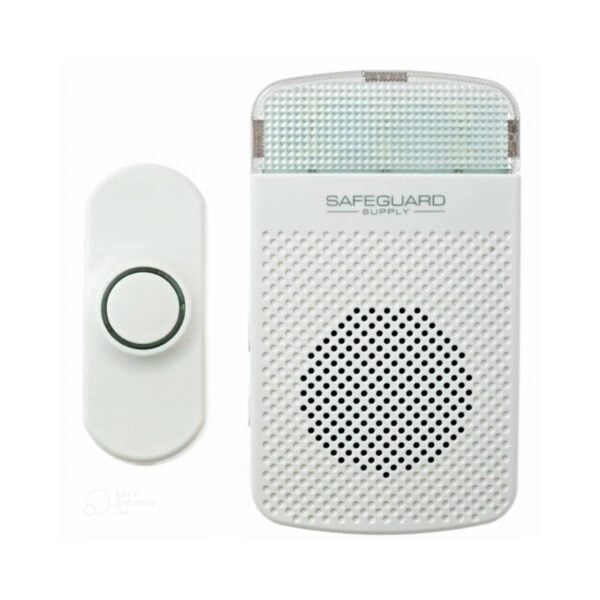
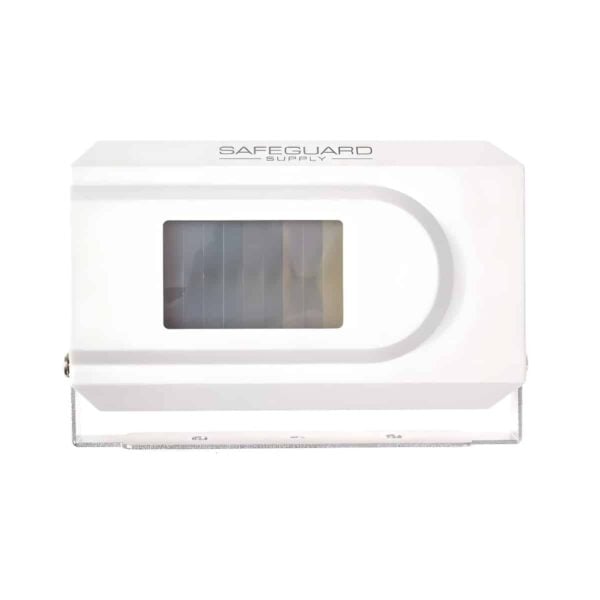
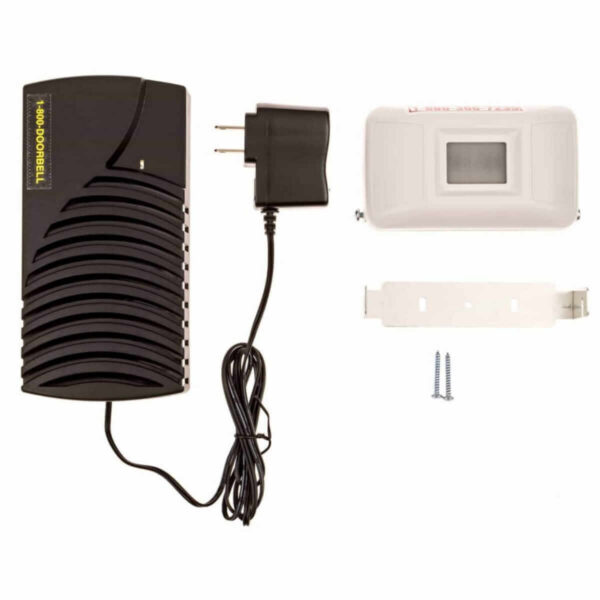
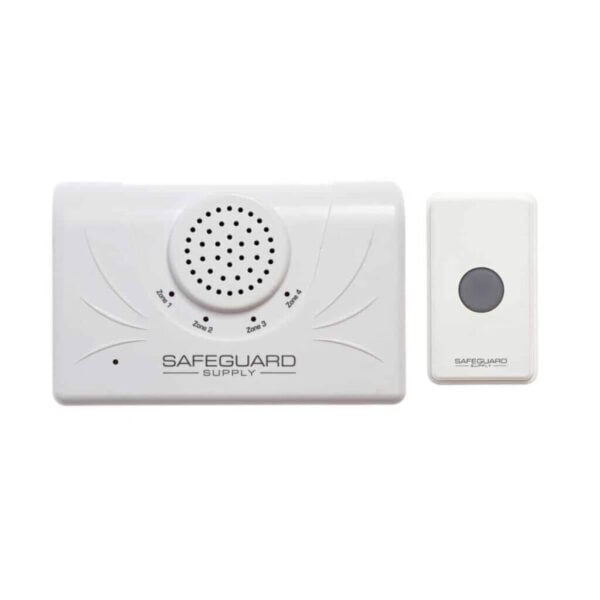
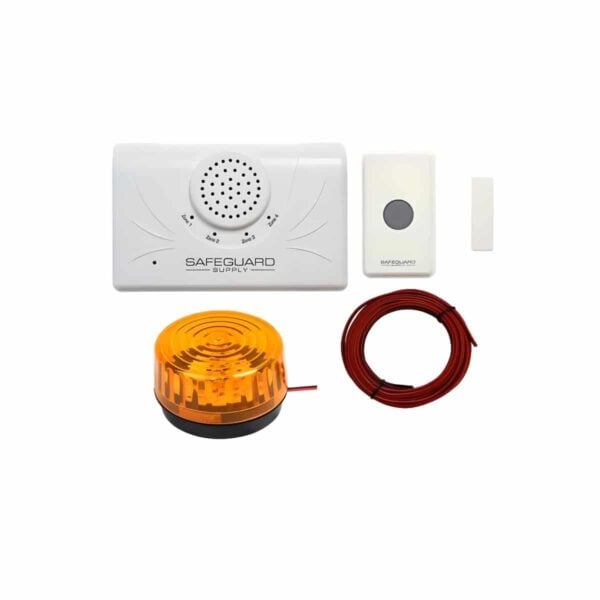
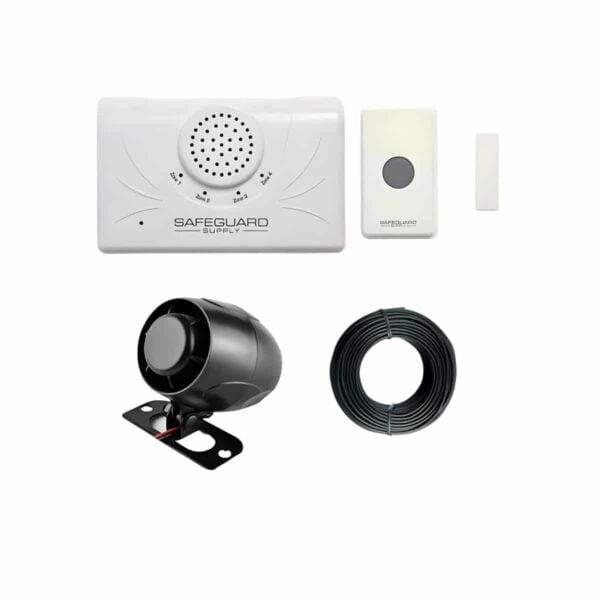
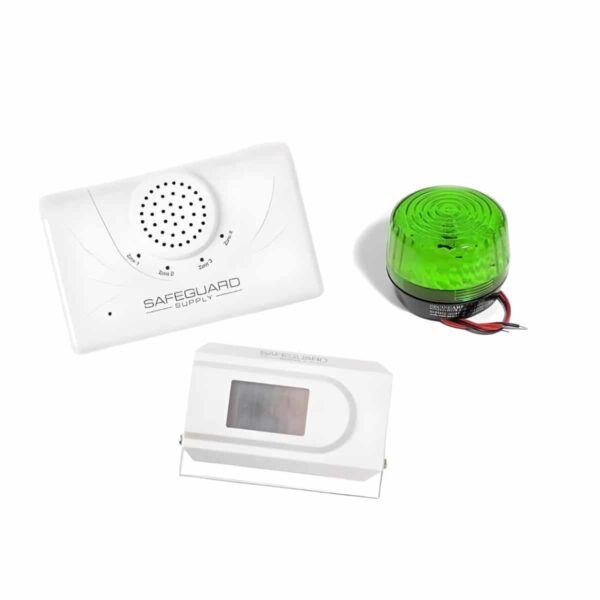
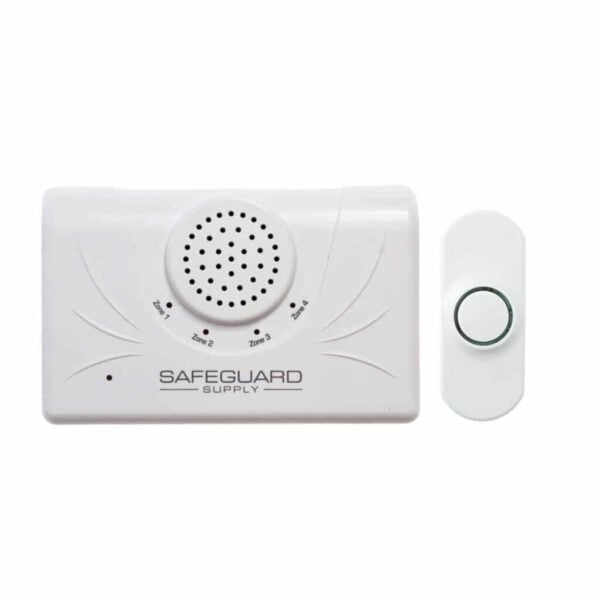
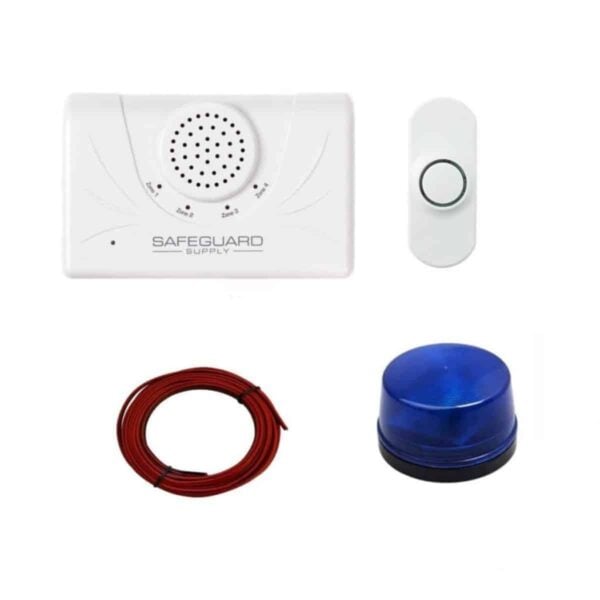
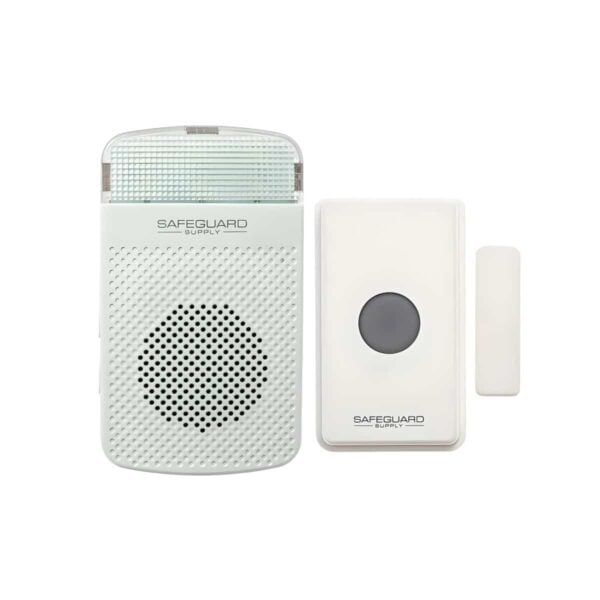
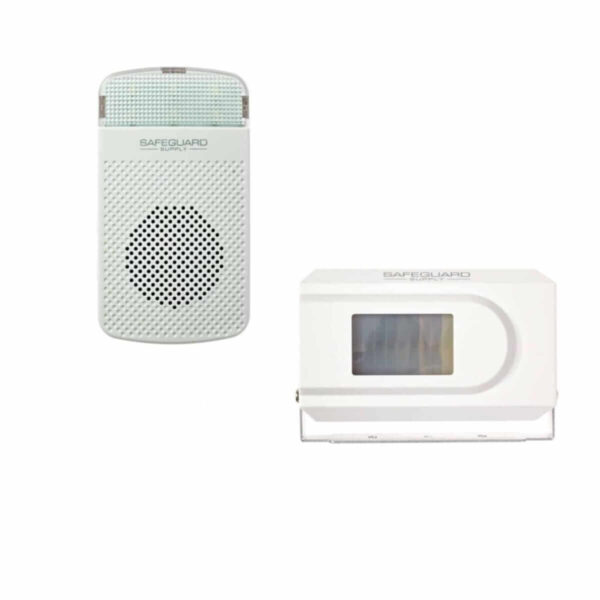
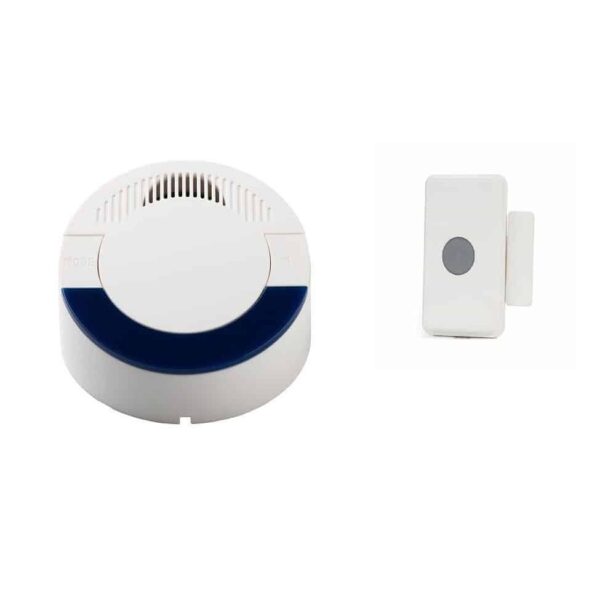
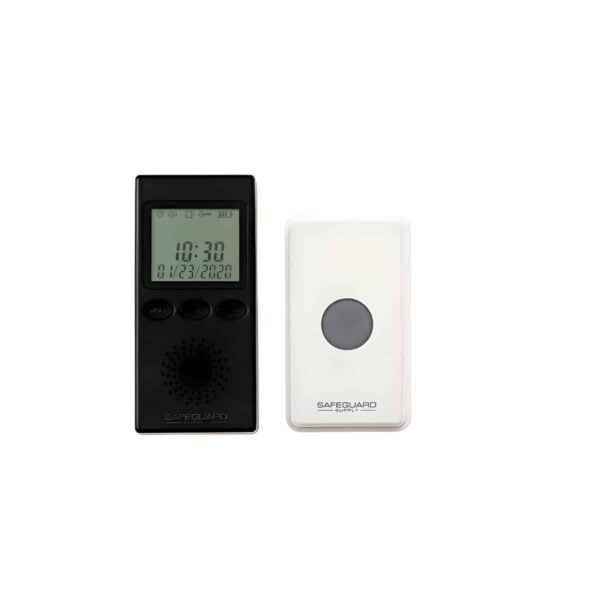
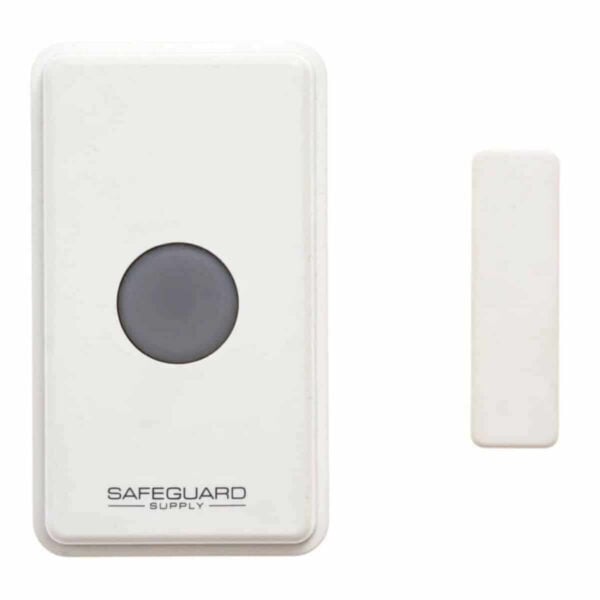
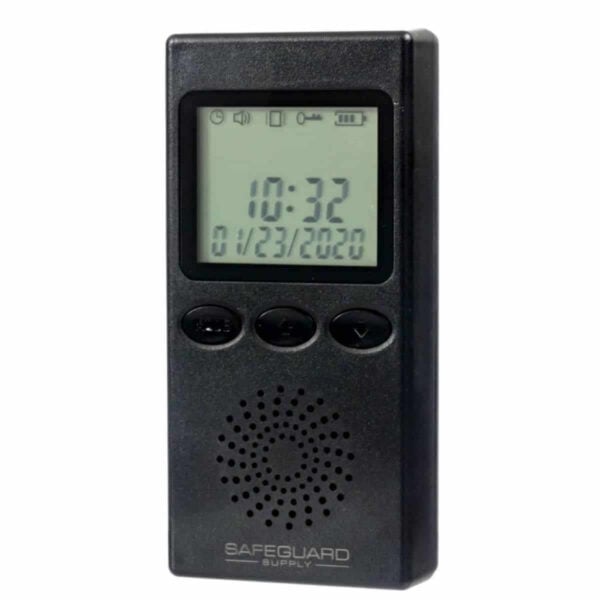
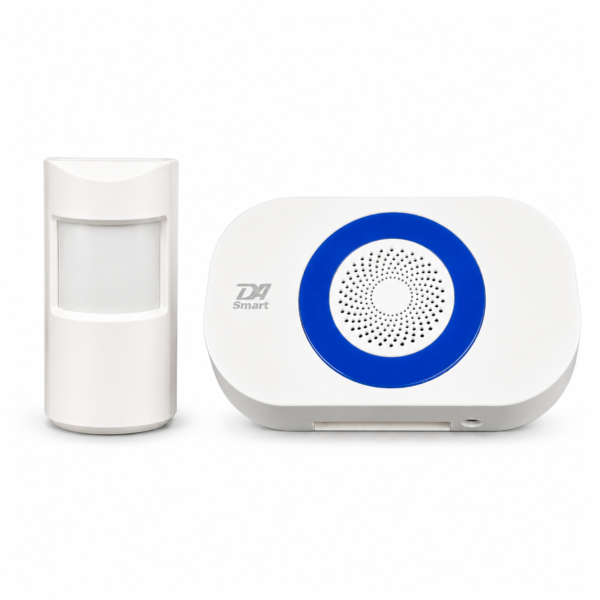
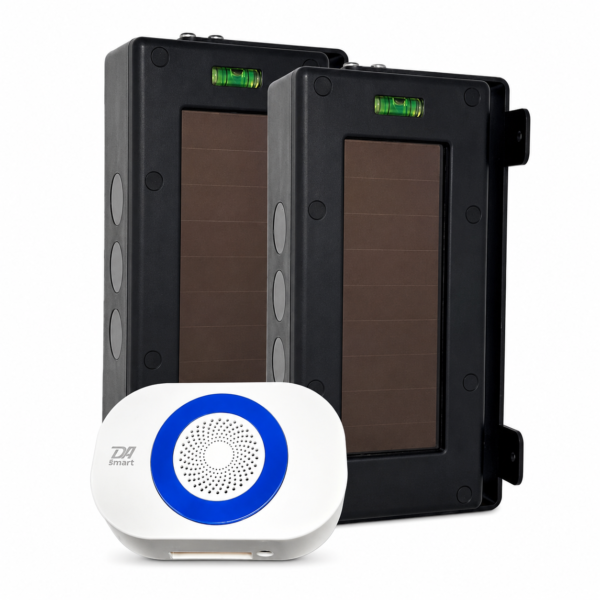
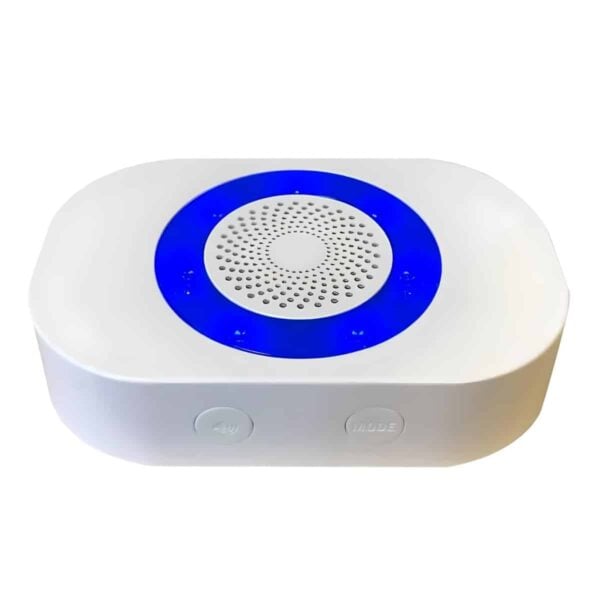
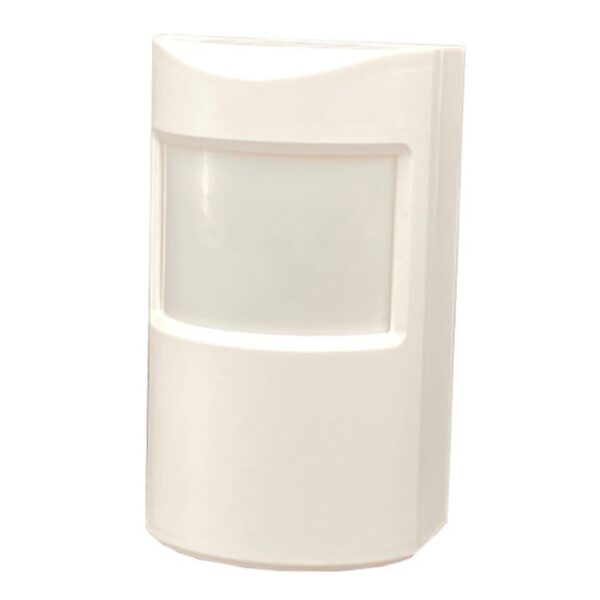
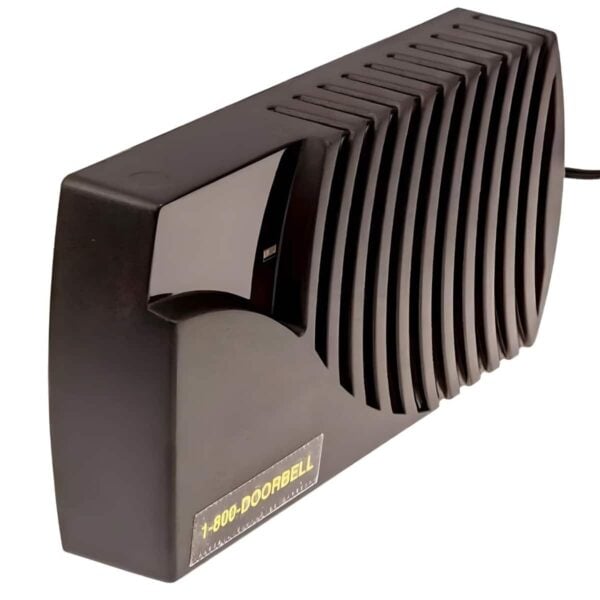
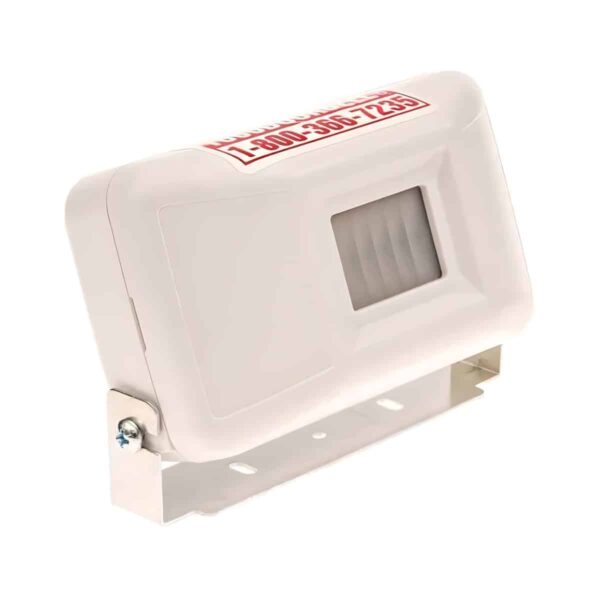
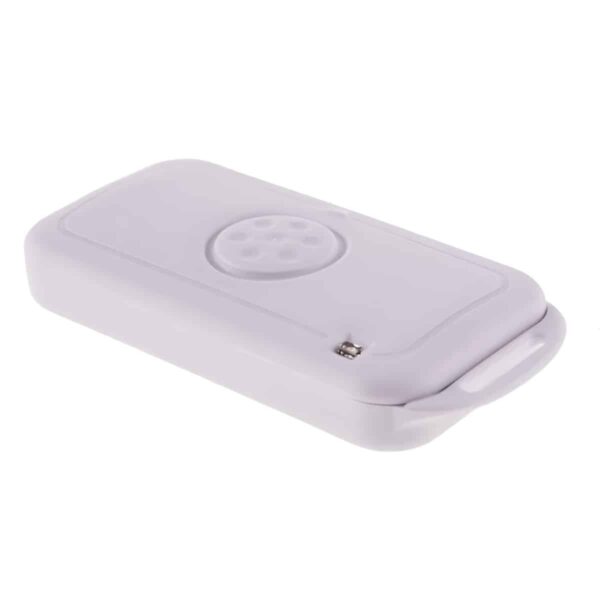
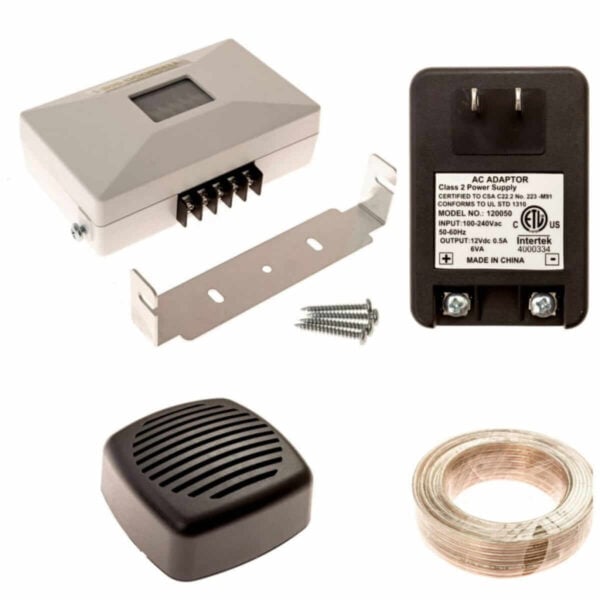
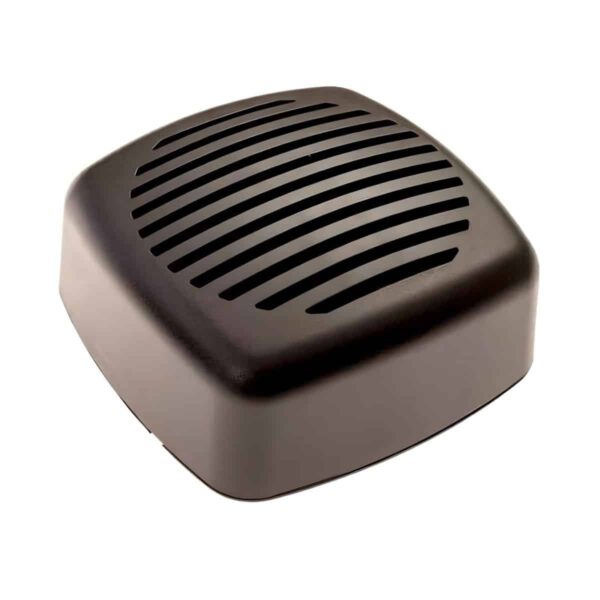
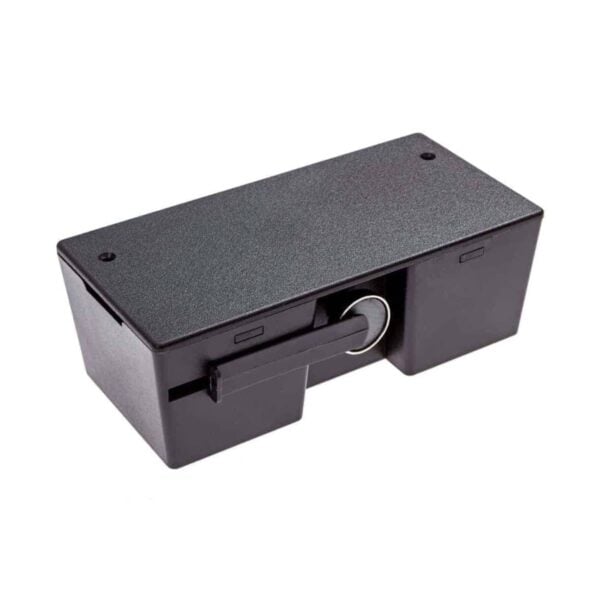
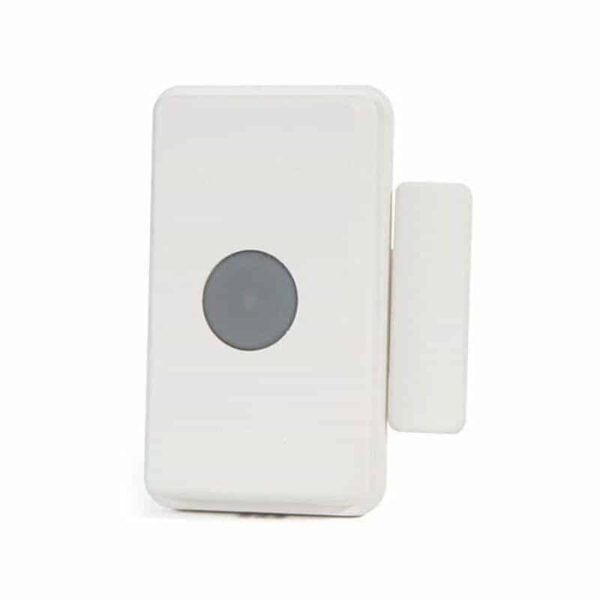
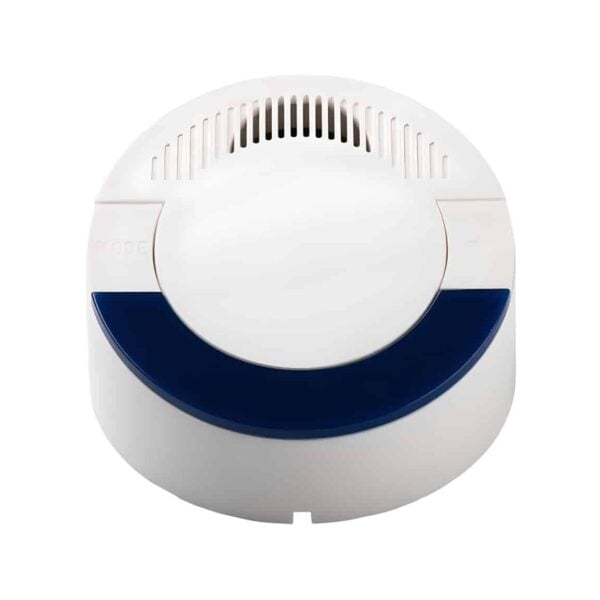
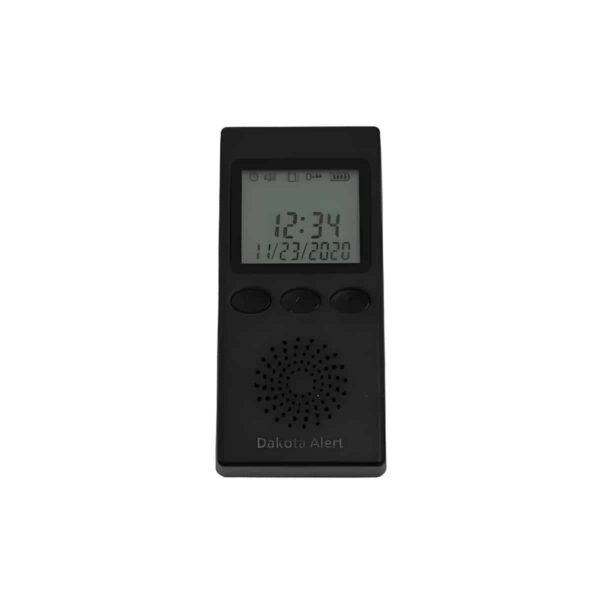
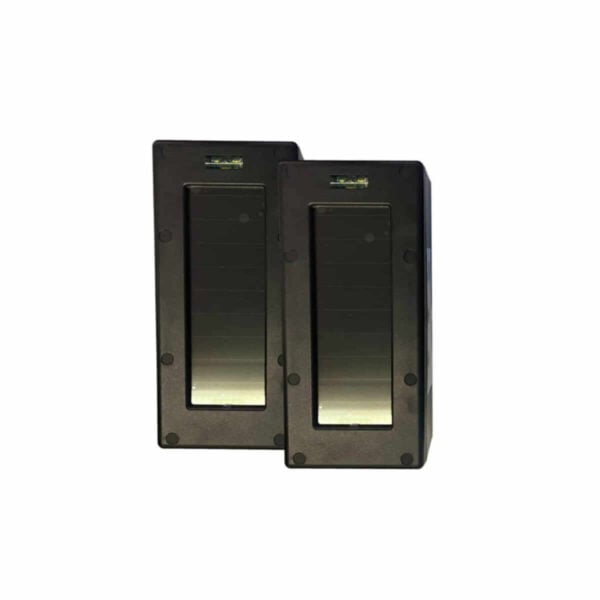
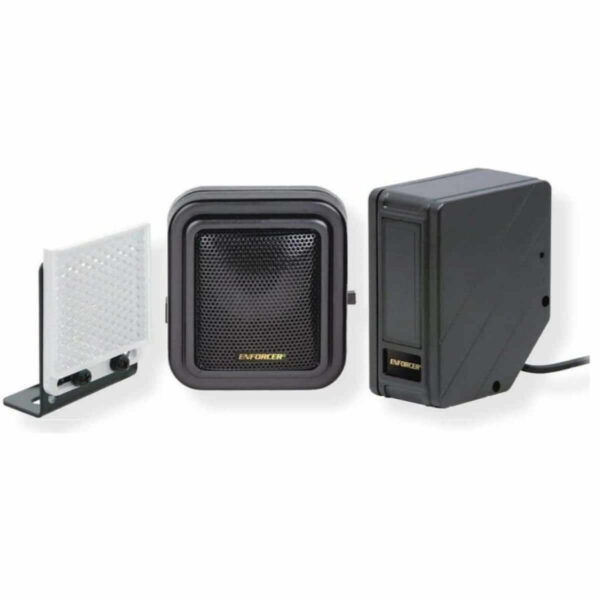

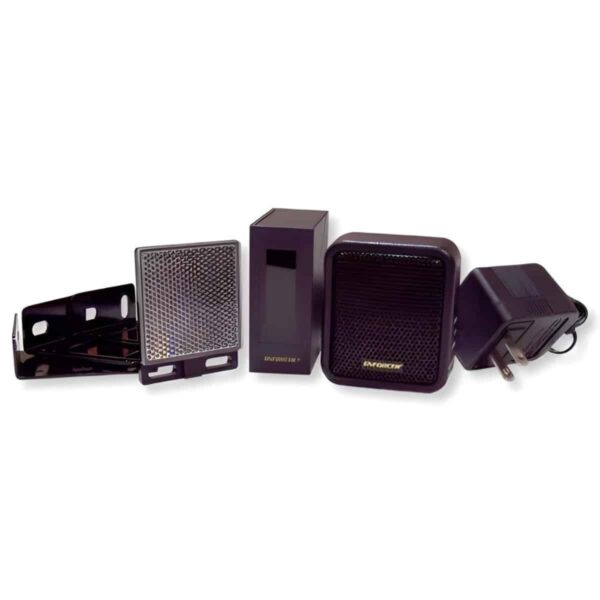
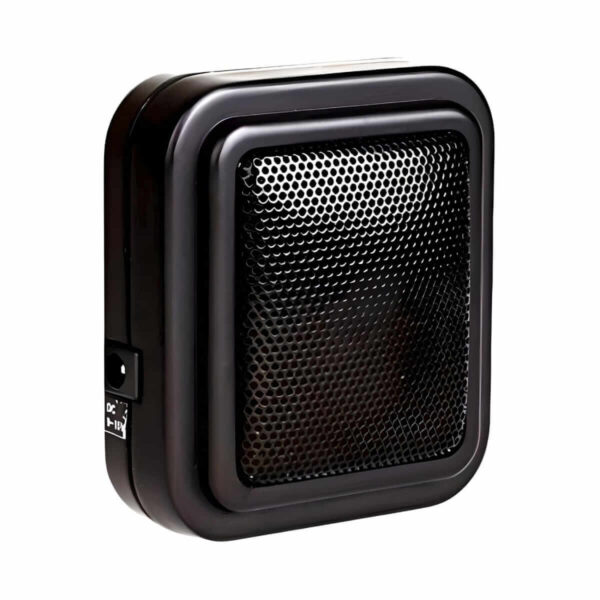

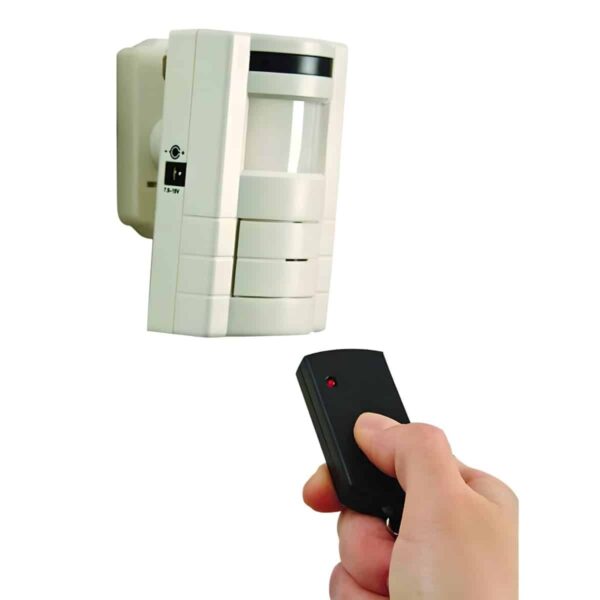
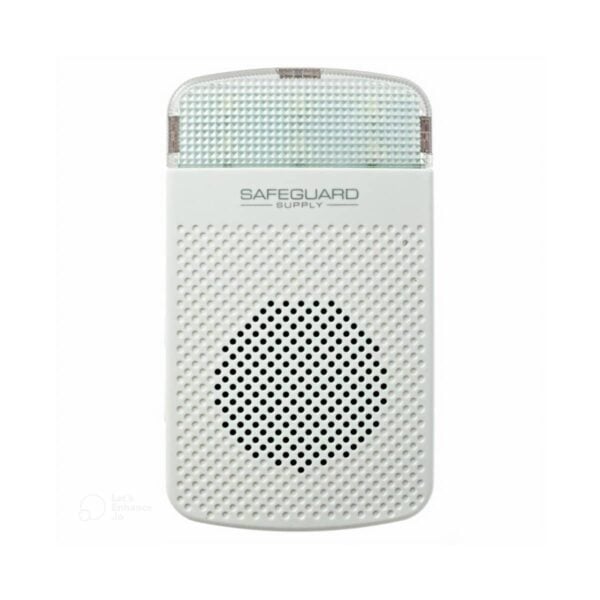
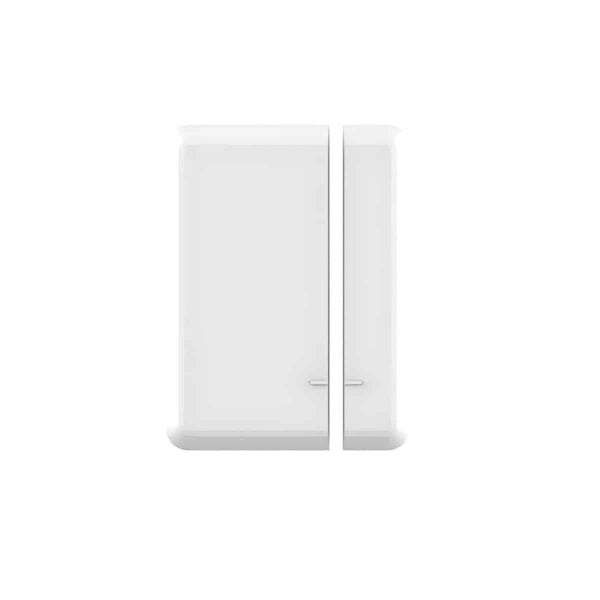
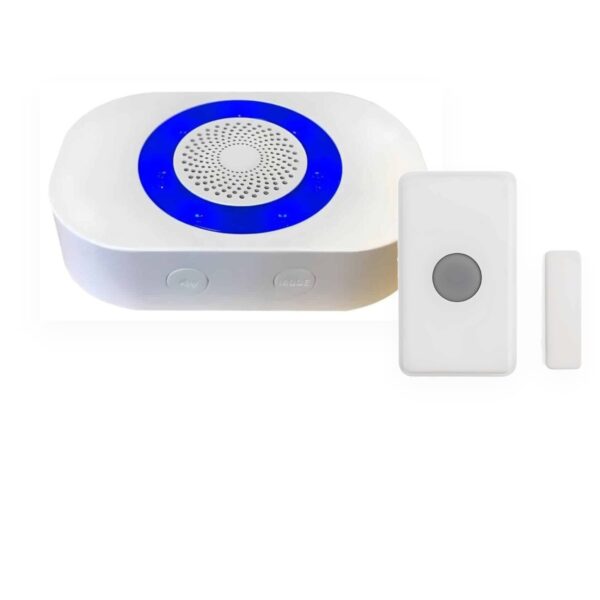
Entry alerts are designed for easy installation while still improving awareness, service, and light-duty security in stores, offices, clinics, warehouses, and homes.
Entry alerts notify you when someone enters a monitored zone. Businesses, shops, and homes use them for awareness, customer service, and light-duty security without building a full alarm system.
Best when the doorway stays open, when you need broader coverage, or when building materials make magnetic contacts less practical.
Best when you only want an alert when the opening is physically used and you want to avoid motion-based false alarms.
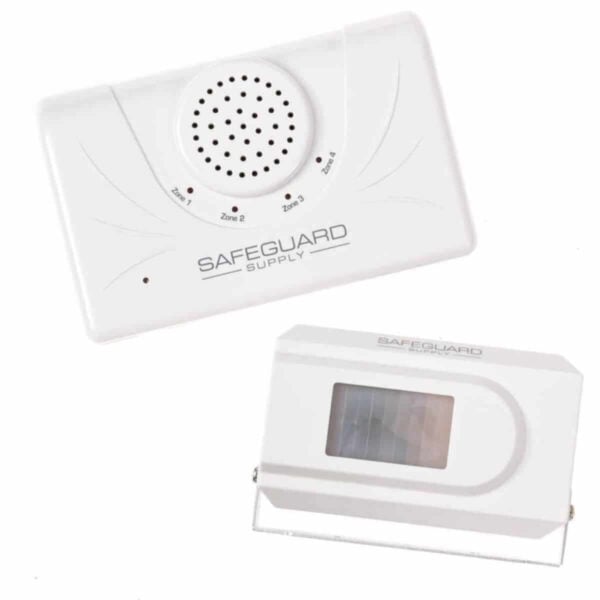
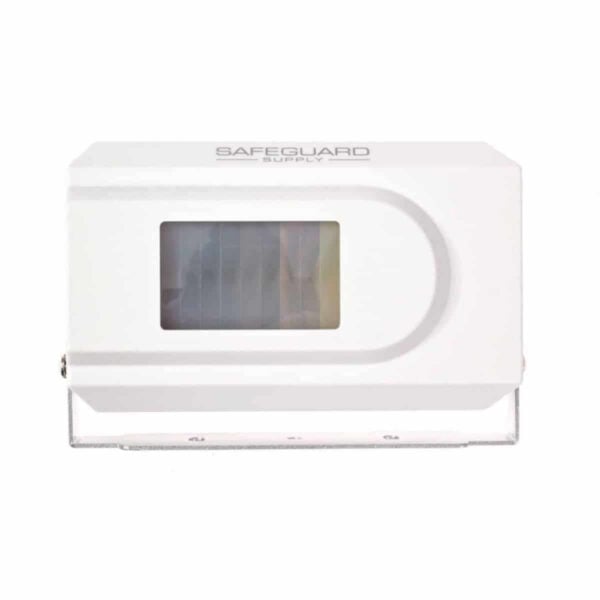
A motion-activated entrance alert with a remote receiver that lets staff hear arrivals from the back of the store.
A compact mechanical-style entrance alert used widely in smaller commercial spaces where a simple, instant tone is enough.
Not quite the right fit? These related setups solve nearby problems.
An entry alert uses a sensor or other transmitter to signal a receiver when someone enters a doorway, driveway, or area. Shops and offices use them for front-desk awareness; homes use them to know when a door opens or someone approaches.
Yes. Our entry alerts use dedicated 433 MHz radio frequency — no WiFi, no app, and no monthly fee.
Yes. Options include standard chimes, speaker/voice units such as the ERA-PIR-SPK, and flashing-strobe receivers for loud environments or hard-of-hearing users. Many receivers let you choose sound, strobe, or both.
Every product carries a 30-day money-back guarantee. If it does not work at your location, return it for a full refund.
Use a door contact when you only care that a door opened. Use a motion sensor when you want to know someone entered an area. Use a beam sensor when you need a more exact line-crossing alert, such as across a doorway or counter path.
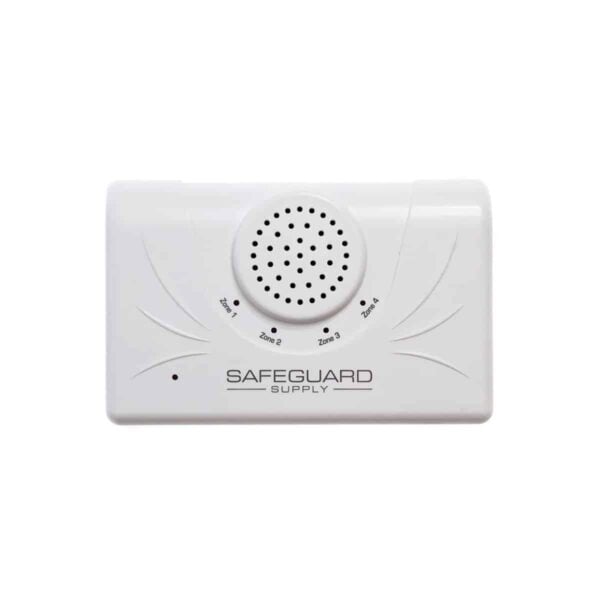
Yes. Many systems can pair more than one transmitter to a receiver. Choose a receiver with zones or different chime sounds if staff need to know which door or area triggered.
Use a long-range receiver family with a loud receiver, flashing strobe, siren, or external speaker output. A small desk chime may be fine for a quiet counter, but it is easy to miss in a work area.
Related support
Why Published Range Differs from Real-World Range When shopping for wireless doorbells, entrance alerts, driveway alarms, and other long-range wireless products, you’ll notice every product lists a maximum wireless range—typically stated as “up to X,000 feet.” For example, the Dakota Alert DCPA-4K-PLUS Driveway Alarm lists a range of “up to 5,000 feet.” It’s important to…
There are ways to cover multiple entrances when using a doorbell system. Click below to read the answer to the question. When we talk about using doorbell buttons for different doors we are typically referring to changing the tune a receiver (or multiple receivers) play when a paired button is pressed. Each manufacturer has a slightly…
Most Wireless buttons are NOT available lighted as they would require power 24/7 and drain the batteries too quickly. The only illuminated wireless buttons we are aware of are the LRA-PBTX and the ERA-PBTX. This wireless transmitter features a LED bulb that lights up the center push button whenever the visitor presses it, indicating a successful transmission. The ERA-PBTX consumes…