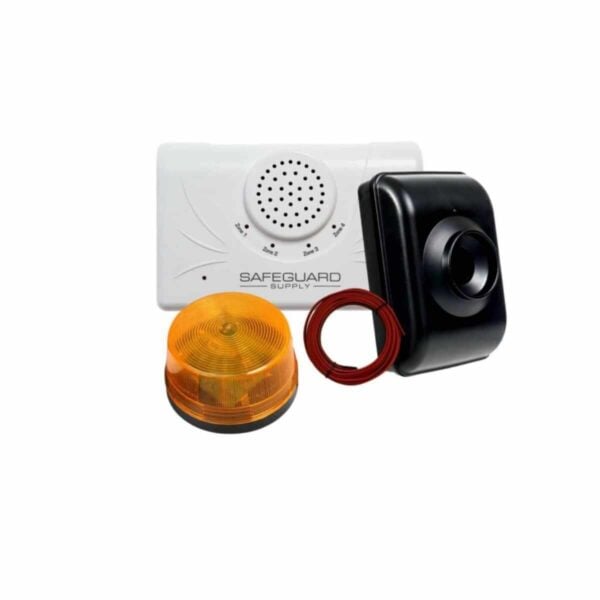
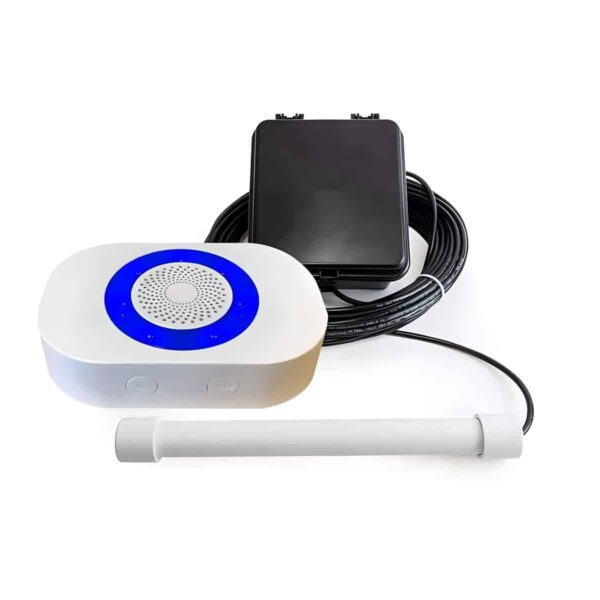
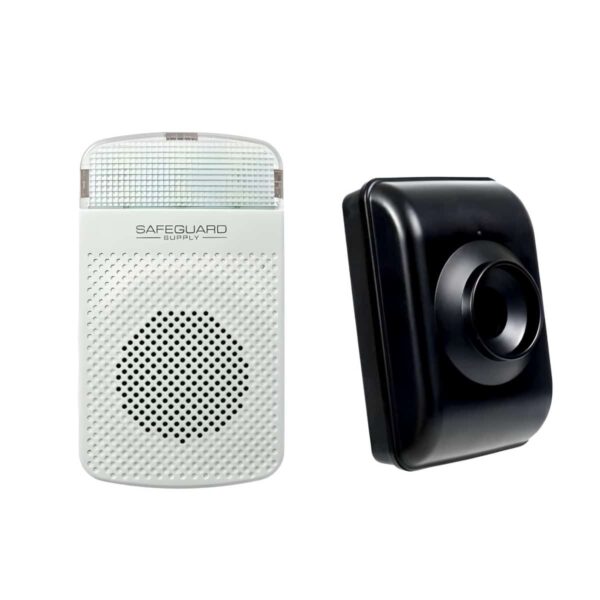
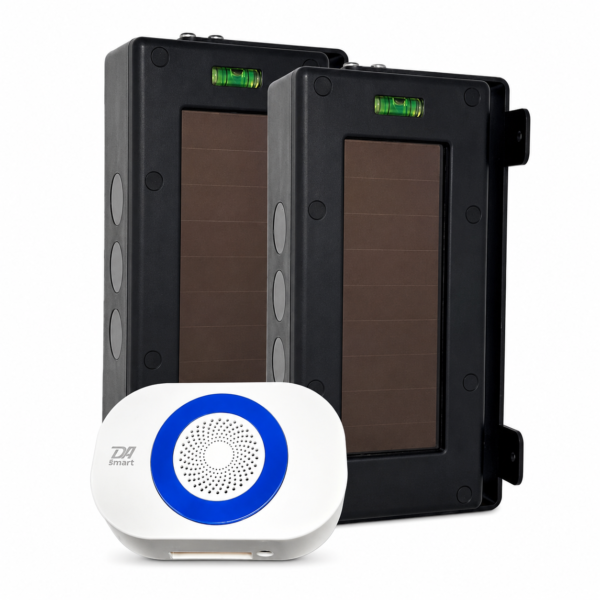
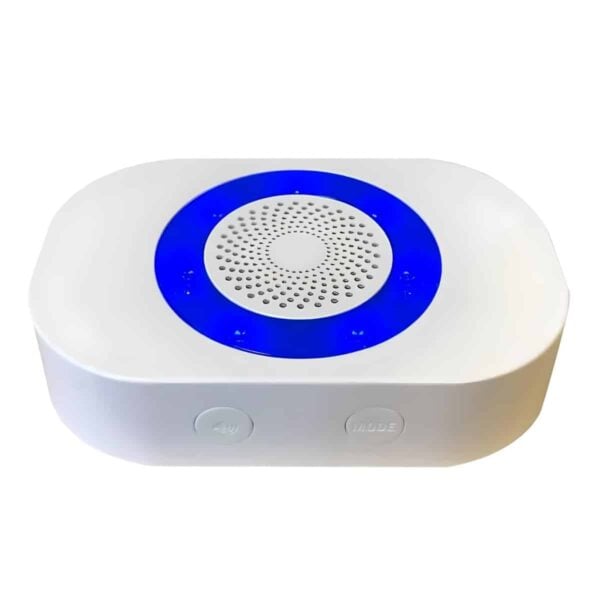
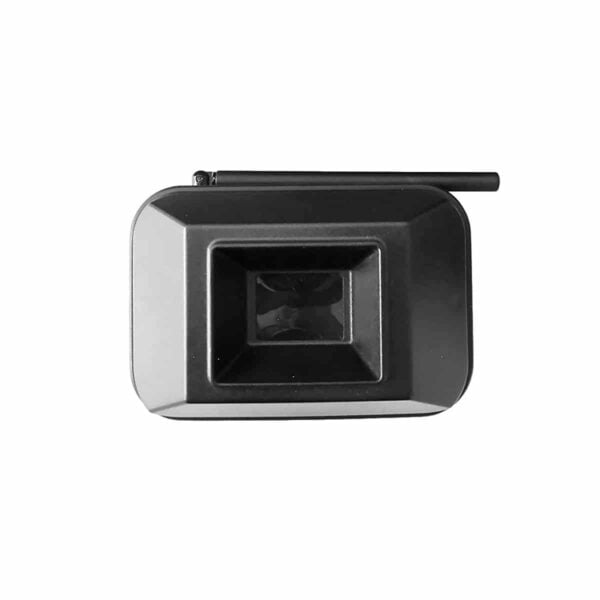
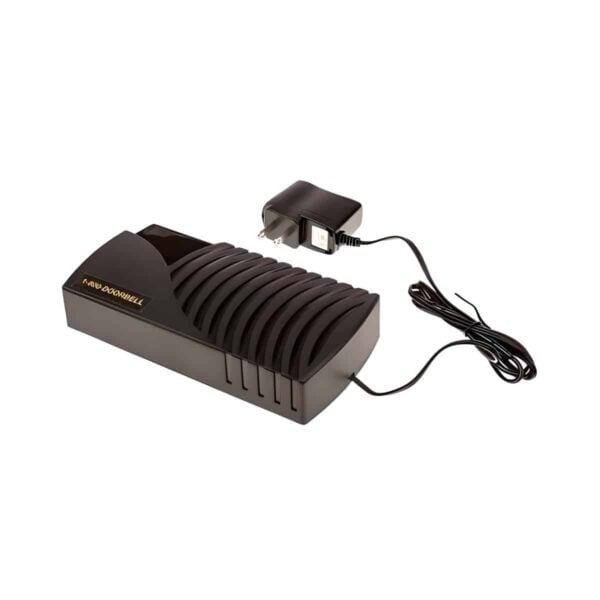
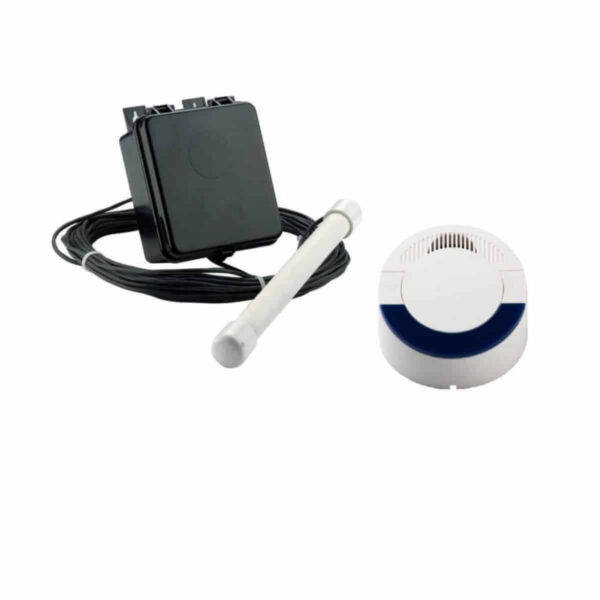
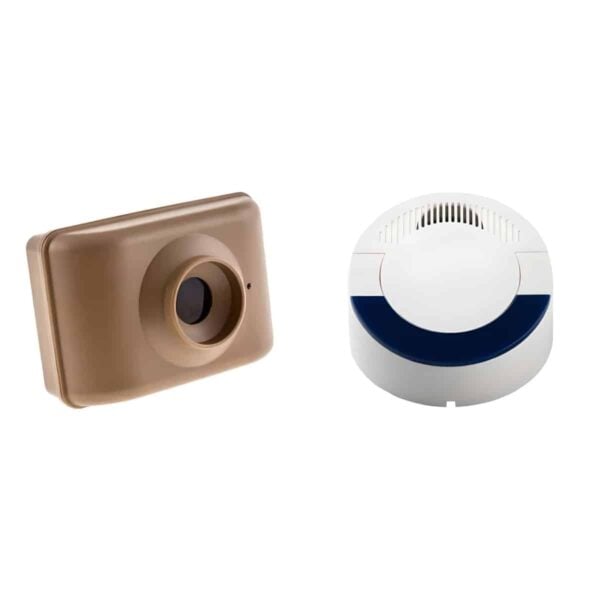
ERA Series
From $119
Warehouses, shops, and acreage
- Extra-loud + strobe receivers
- Expand to dozens of zones
Driveway alarms are usually bought for one reason: you want notice before someone reaches the door. That might mean a long driveway, a gate, a barn, a detached shop, or a business entrance where the front door is too far away to hear on its own. The first decision is not brand. It is sensor type .
Choose the sensor type first, then match it to the receiver style you want indoors.
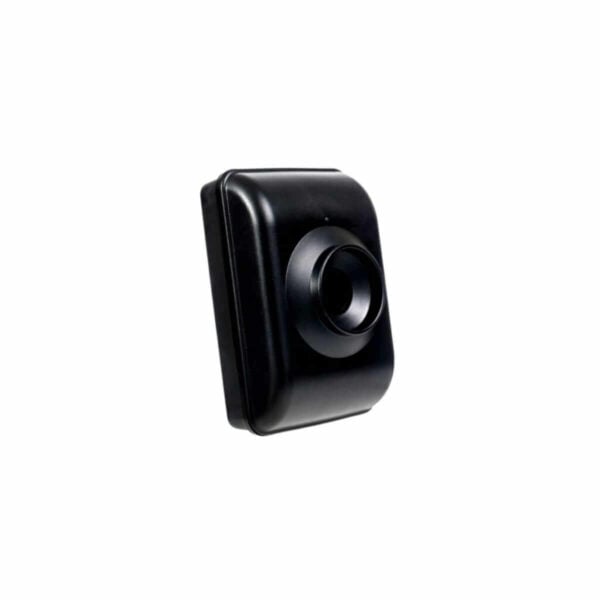
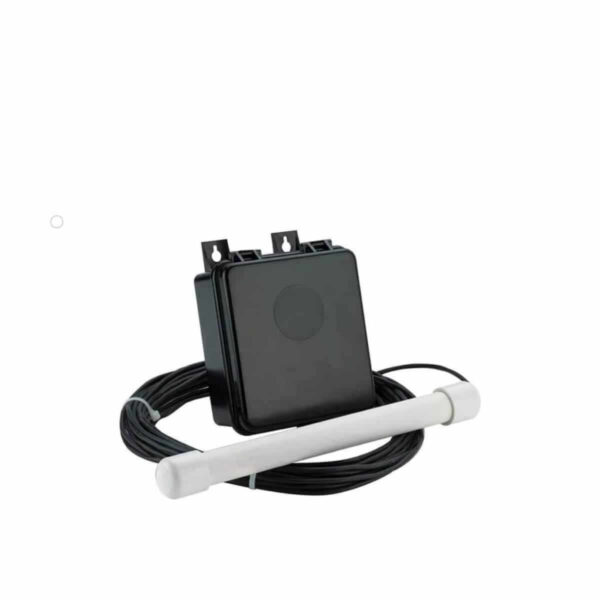
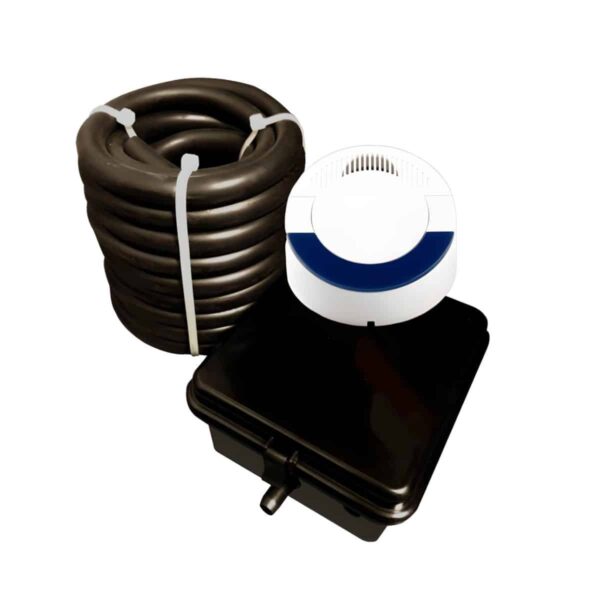
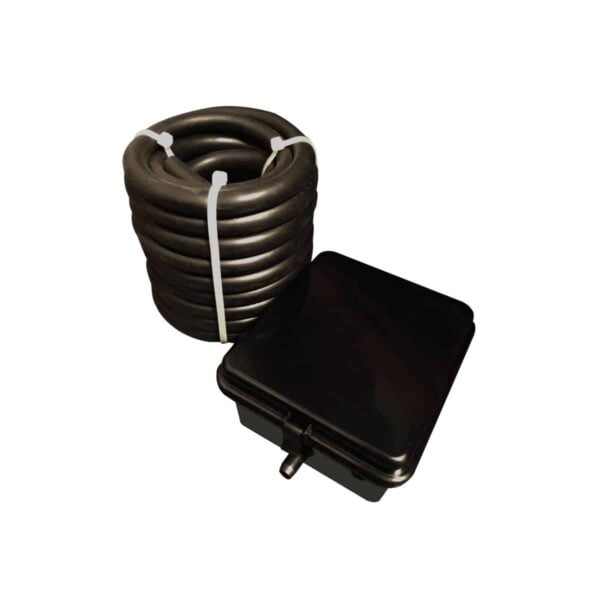
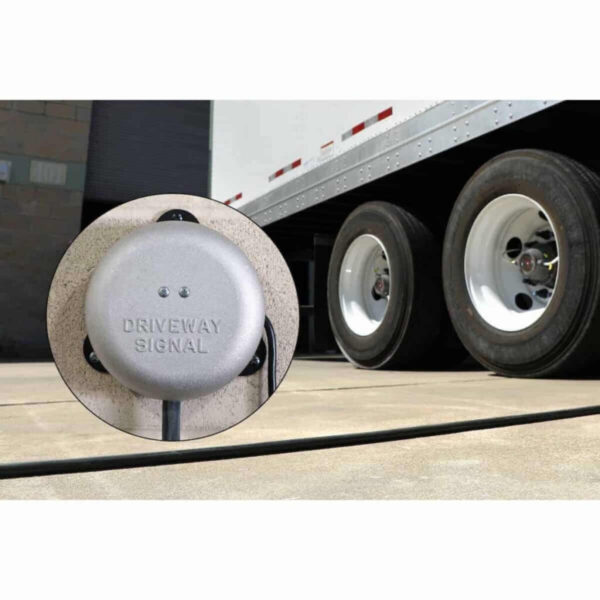
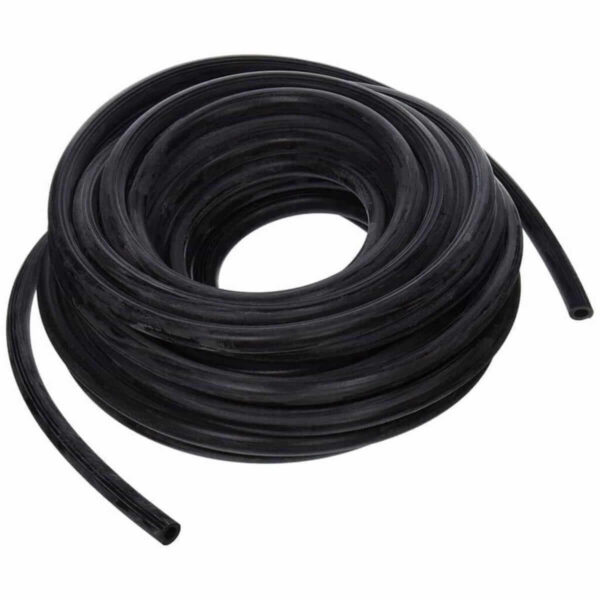
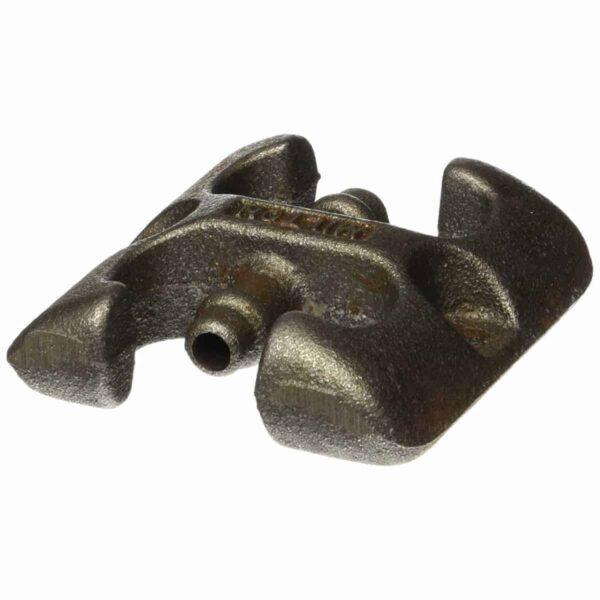
Probe sensors focus on vehicles, motion sensors watch open approaches, rubber hose kits detect drive-over activity, and break beams monitor a fixed crossing point.

*Wireless range is based on open-air testing. Walls, metal, masonry, and interference can reduce real-world performance. Learn more.
Quick answer
Choose PIR motion sensors for general awareness, magnetic or probe sensors when you only want vehicle alerts, and rubber hose or break-beam systems when the trigger point needs to be more exact.
driveway alarms are usually bought for one reason: you want notice before someone reaches the door. That might mean a long driveway, a gate, a barn, a detached shop, or a business entrance where the front door is too far away to hear on its own.
The first decision is not brand. It is sensor type. A PIR motion sensor is the better fit when you want to detect people, vehicles, or larger animals moving through an area. A magnetic probe is better when you only want vehicle traffic and want fewer false trips from people or wildlife. A rubber hose sensor works best when a vehicle has to cross a very specific point and accurate vehicle-only detection matters.
Range claims should also be treated realistically. Open-field numbers are useful for comparison, but real performance depends on terrain, trees, walls, metal buildings, and where the receiver will sit inside the property. When the signal path is not clean, it is usually safer to size up rather than buy the smallest system that looks close on paper.
If you are comparing systems, start with what needs to be detected, how far the signal has to travel, and whether you need only sound or sound plus a strobe or external speaker. That will narrow the field much faster than sorting by price alone.
Watch how a plug-in receiver kit signals the moment a vehicle enters — a real look at driveway monitoring range and alerts.


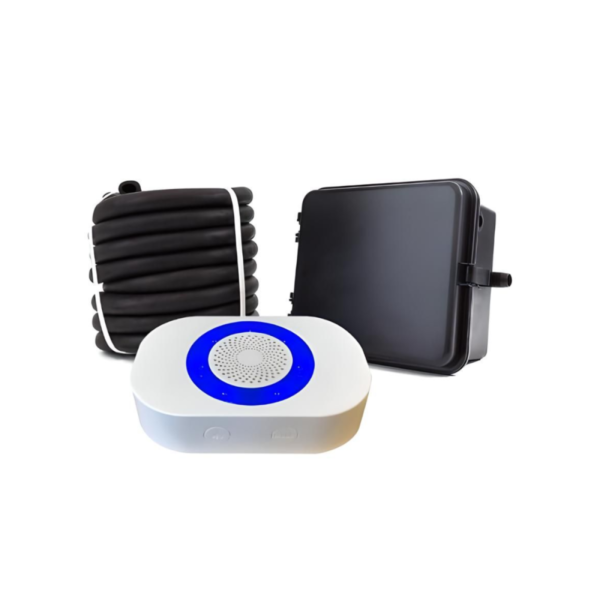
From $119
Warehouses, shops, and acreage
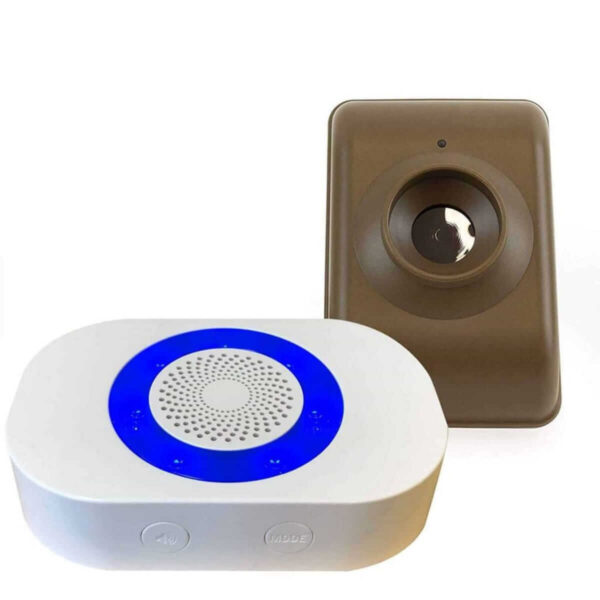
From $69
Large homes and small business coverage
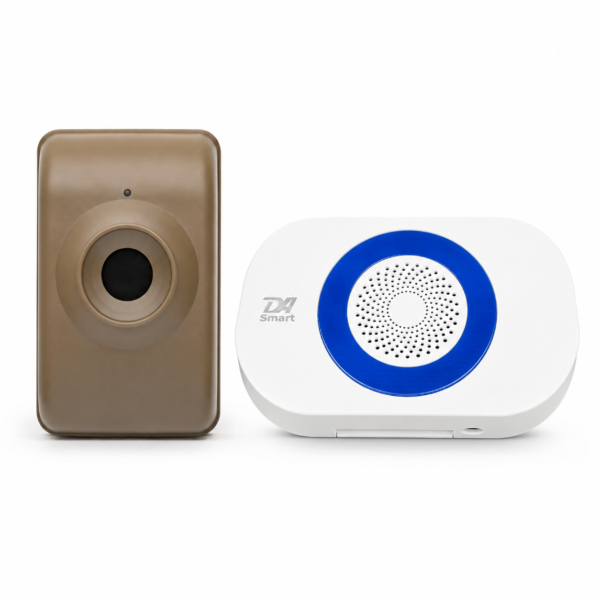
From $39
Standard homes and apartments
From classic rubber hose sensors to long-range wireless technology, this section compares the main driveway alarm approaches so you can match the sensor type, range, and receiver family to your property.
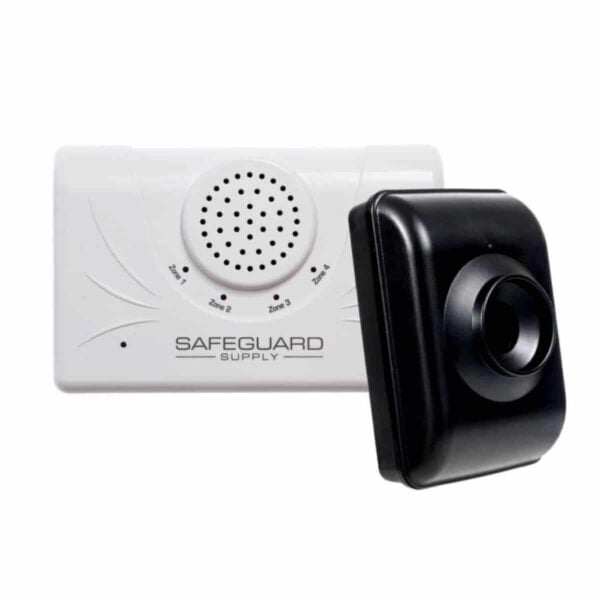
Our team recommends the ERA-DSDCR for its strong reliability, expandability, and long-range performance. At $99.95, it gives buyers a professional-grade starting point without forcing them into a complex install.
Detects heat and movement
Best for: General detection
Senses large metal objects
Best for: Vehicle-only alerts
Responds to vehicle weight
Best for: Precise triggering
Combines multiple methods
Best for: Accuracy
Compare the leading families by published range, detection method, zone support, and ecosystem compatibility.
| Model | Range | Detection | Zones | Compatibility |
|---|---|---|---|---|
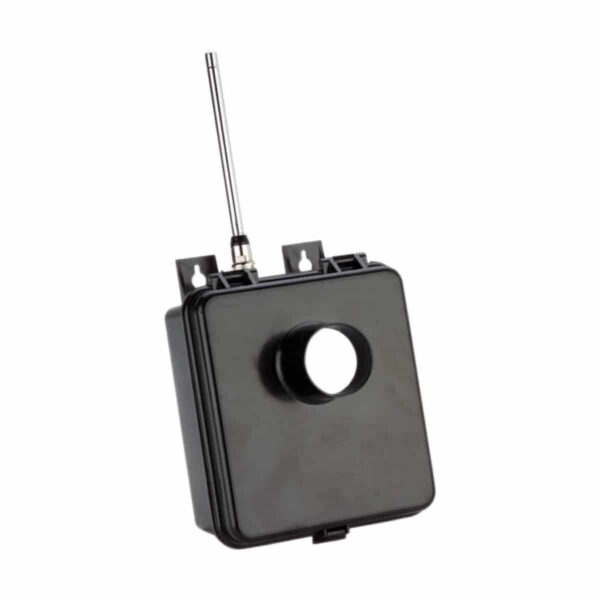
| ERA-DSDCR | 4,000 ft | PIR, Movement | 4 | All Safeguard ERA series |
| Di2000S-A | 2,000 ft | PIR, Movement | 4 | Rodann transmitters/receivers |
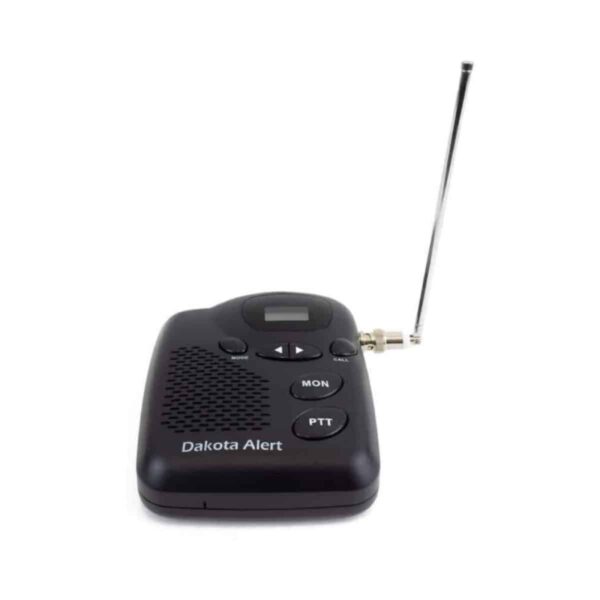
| DCMA-4000 | 2,500 ft | PIR, Movement | 15 | Dakota 4000 series |
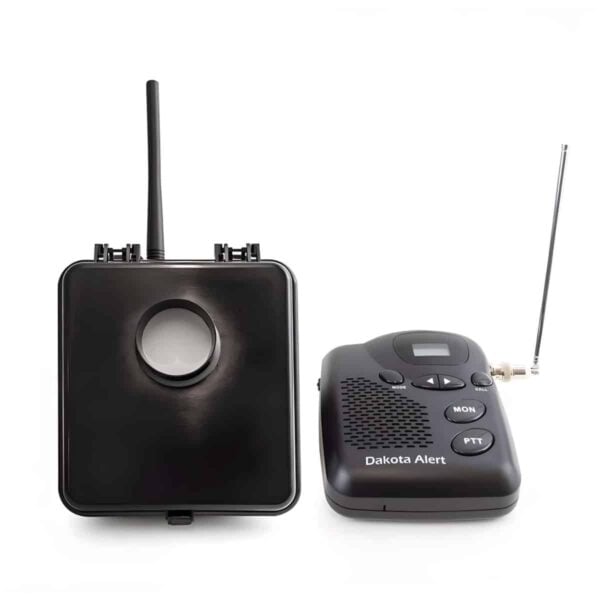
| MURS-BS-KIT | Several miles | PIR, Movement | 4 | Dakota MURS products |
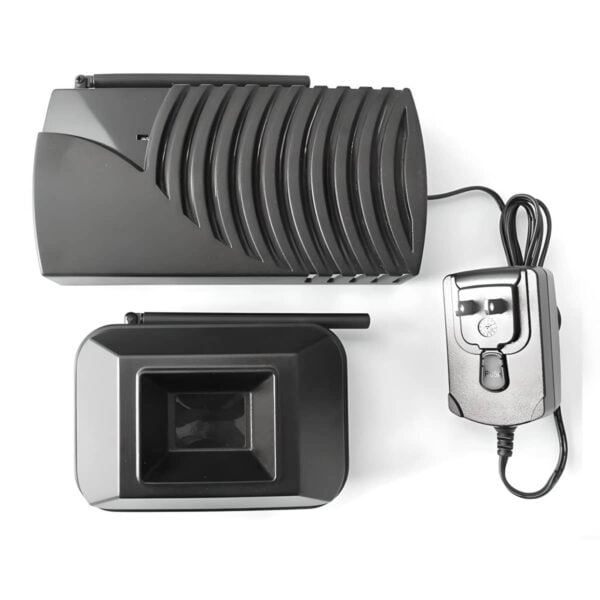
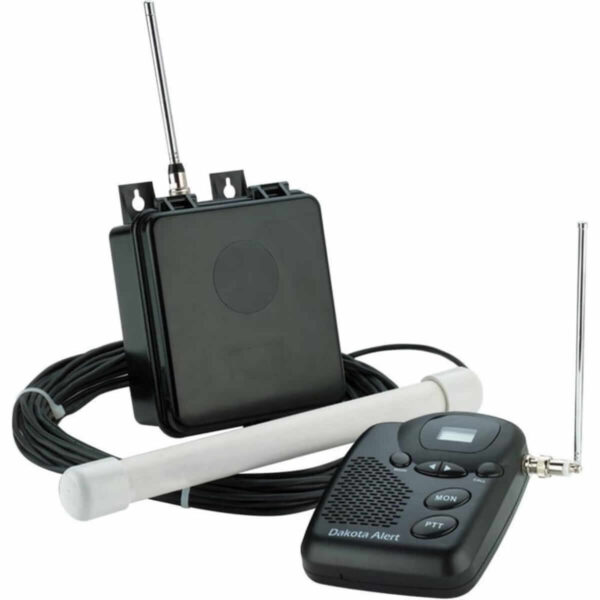
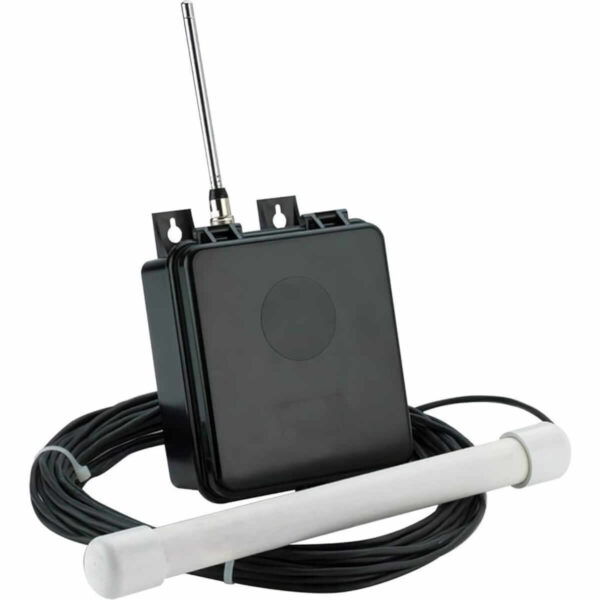
| DCPA-4K-PLUS | 5,000 ft | Metallic objects | 15 | Dakota 4000 series |
| DCRH-4000 | 5,000 ft | Rubber hose | 15 | Dakota 4000 series |
Choose wireless systems with extended range capabilities.
Recommended: 4,000 ft+ range models
Opt for battery-efficient sensors with long life spans.
Recommended: 2+ year battery life
Advanced filtering reduces false alarms from wildlife.
Recommended: Vehicle discrimination
Expandable multi-zone systems support complete coverage.
Recommended: 4+ zone capability
Need help choosing a driveway alarm system? Our support team can help you compare receiver families, sensor types, and real-world range expectations for your property.
Not quite the right fit? These related setups solve nearby problems.
Our driveway alarms transmit from about 1,000 ft (LRA Series) up to 4,000 ft for ERA systems and up to 5,000 ft for Dakota Alert systems. Published ranges are line-of-sight; long driveways, gates, metal buildings, and dense trees reduce them, so size up if you are unsure.
Yes. Magnetic and probe sensors (such as the Dakota DCPA series) trigger only on large metal objects, so they alert on vehicles and ignore people and wildlife. PIR sensors detect heat and motion, which covers people and vehicles. Choose the sensor type by what you want to be alerted to.
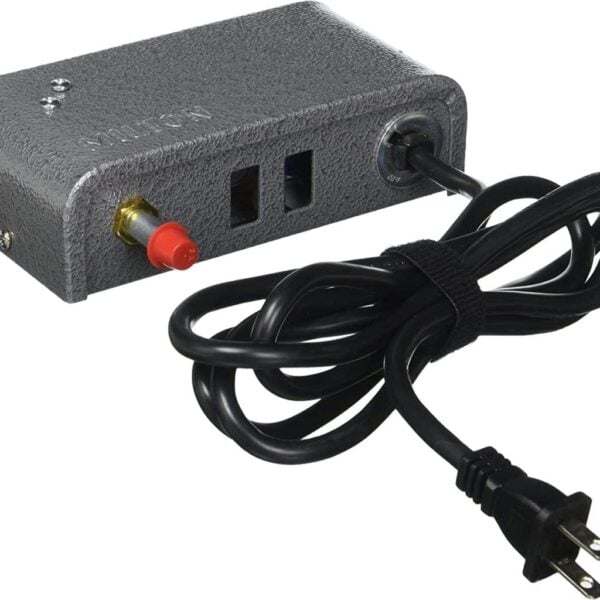
No WiFi and no wiring to the driveway sensor. The outdoor sensor/transmitter is wireless and battery-powered (often 1–2 years per battery). The receiver plugs into a standard indoor outlet and alerts you by sound, flashing strobe, or both.
Yes. Most systems expand within the same series. The ERA Series, for example, supports up to 12 transmitters per receiver, including compatible sensors, plus unlimited receivers, so you can cover a driveway, gate, and back entrance from one setup.
For vehicle-only alerts, use a magnetic probe sensor or another vehicle-detection sensor. PIR motion sensors are useful for general awareness, but they can also detect people, animals, and moving heat sources.
Place the sensor far enough from the road to avoid passing traffic, but early enough in the driveway to give useful notice. Avoid aiming PIR sensors at moving branches, direct sun, or areas where animals commonly pass.
Yes, if the receiver family supports multiple transmitters or zones. Use separate zones when you need to know whether the alert came from the driveway, gate, barn, side entrance, or another point.
Related support
Why Published Range Differs from Real-World Range When shopping for wireless doorbells, entrance alerts, driveway alarms, and other long-range wireless products, you’ll notice every product lists a maximum wireless range—typically stated as “up to X,000 feet.” For example, the Dakota Alert DCPA-4K-PLUS Driveway Alarm lists a range of “up to 5,000 feet.” It’s important to…
In most cases, if your LRA-DR1000 is not working correctly, it is because of one of three issues: 1) Photo sensor dip switch is set to nighttime mode only2) Sensor/transmitter not paired with receiver correctly3) Weak or dead batteries in sensor/transmitter 1) Photo Sensor Inside Driveway Sensor (outdoor unit) May Be Set to Nighttime Only…
Get a plain-language answer to my era-dstx outdoor driveway motion sensor is not picking up cars, with setup notes, compatibility details, and links to.