
Most popular
ERA Series
4,000 ft
From $119
Warehouses, shops, and acreage
- Extra-loud + strobe receivers
- Expand to dozens of zones
Business door chimes need to do more than sound pleasant. In commercial settings, the real issue is usually distance, background noise, multiple entrances, or the need for a strobe, siren, or external speaker in addition to a standard receiver.
Business doorbells work best when the range, receiver volume, and button or sensor type match the building layout from the start.
Front counters, stock rooms, side entrances, and service doors all need slightly different alert setups. Use the filters below to narrow by range, receiver type, and use case.

Quick answer
A business door chime should be chosen around the building, not just the doorway. Range, background noise, receiver placement, and whether the trigger is a push button, door contact, or motion sensor matter more than the chime sound itself.
Business door chimes need to do more than sound pleasant. In commercial settings, the real issue is usually distance, background noise, multiple entrances, or the need for a strobe, siren, or external speaker in addition to a standard receiver.
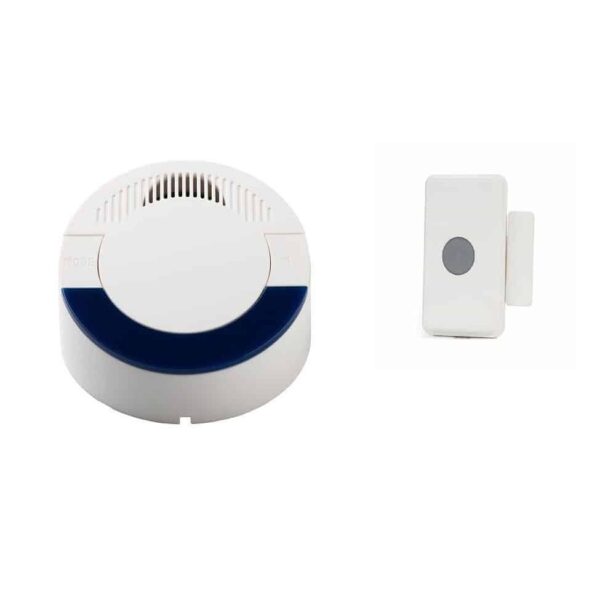
A small residential kit may work near a front counter, but it often falls short in warehouses, stock rooms, service bays, steel buildings, or larger retail spaces. That is why range matters more in this category than style. If the signal has to cross concrete, metal walls, coolers, work areas, or detached rooms, it is usually better to choose a stronger commercial-grade system from the start. For a loading dock or back door, a warehouse doorbell kit such as the Dakota Alert UTSR-4000 pairs an outdoor push button or door contact with a Wi-Fi receiver that can also send phone alerts.
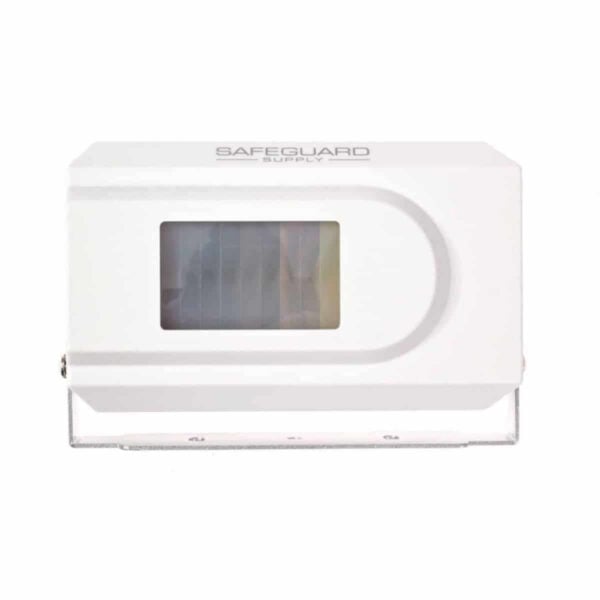
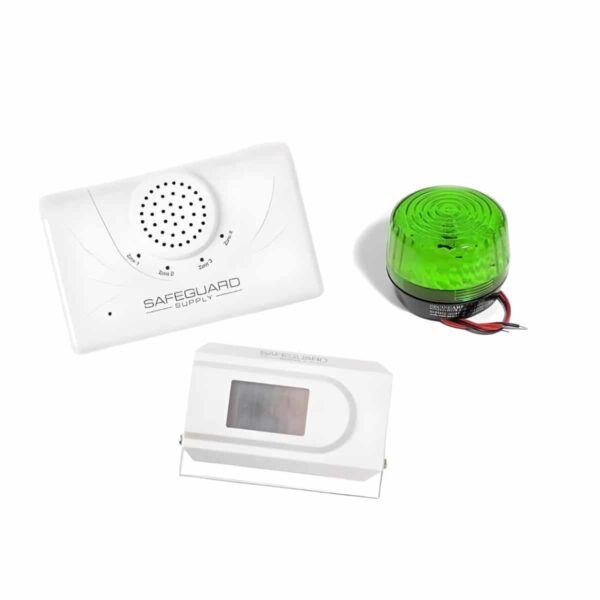
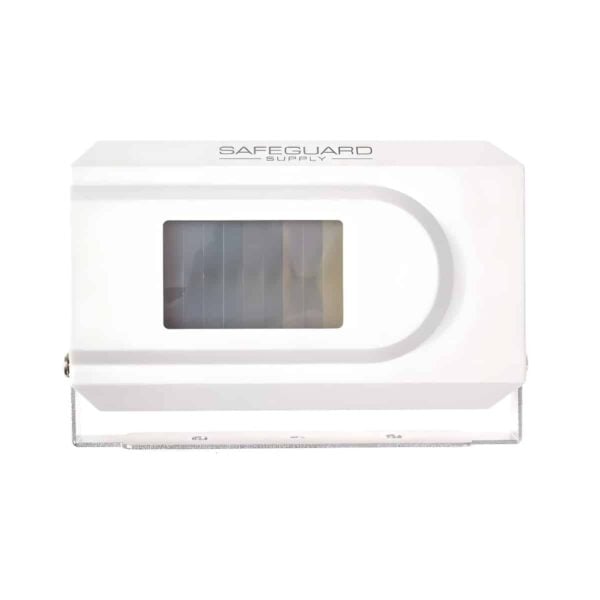
The next decision is how the alert should trigger. Some businesses need a traditional push button. Others need a magnetic door contact on a front or back door. In larger areas, a motion sensor or a beam-style alert can make more sense than expecting a visitor to press a button.
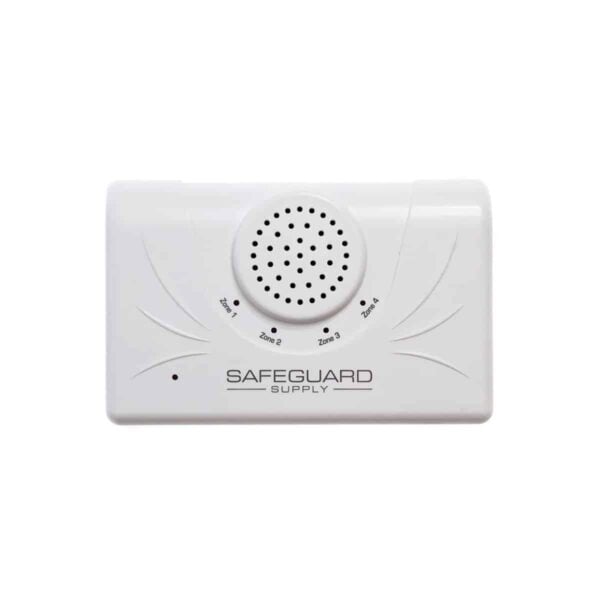
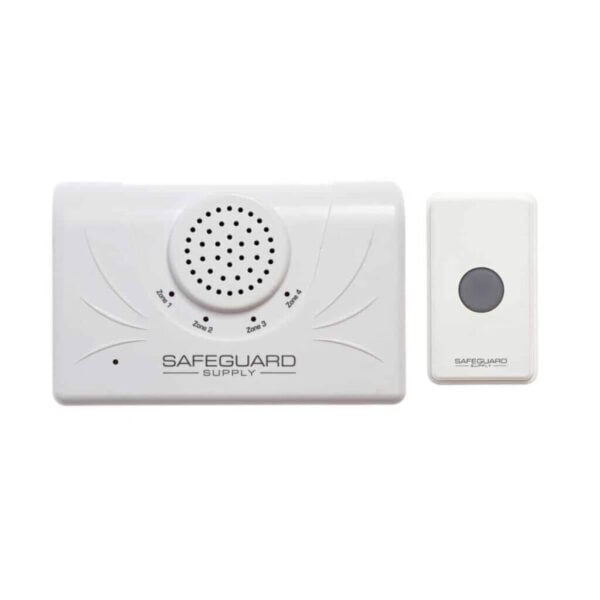
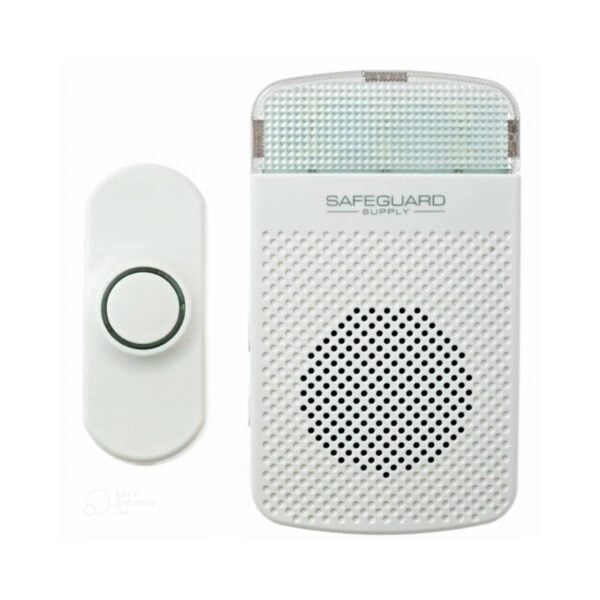
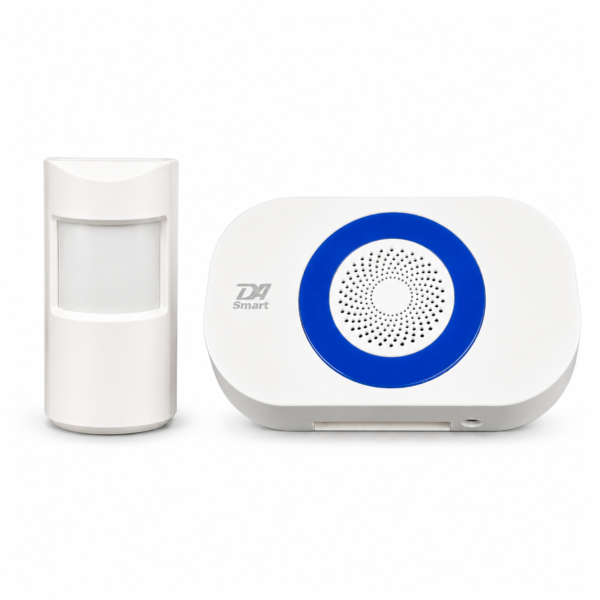
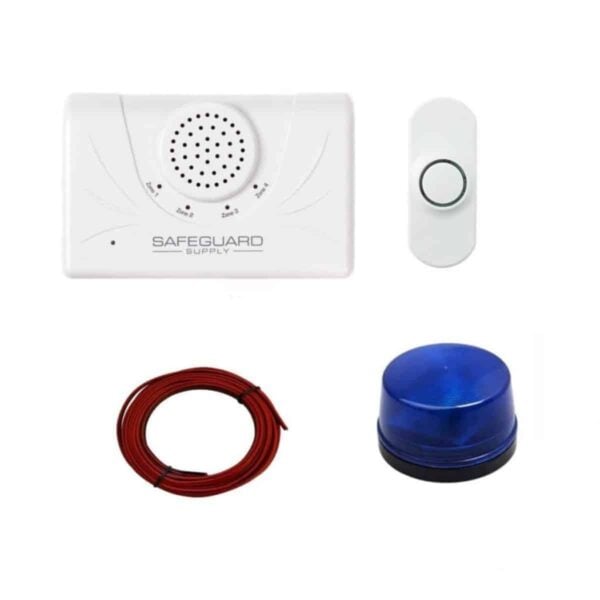
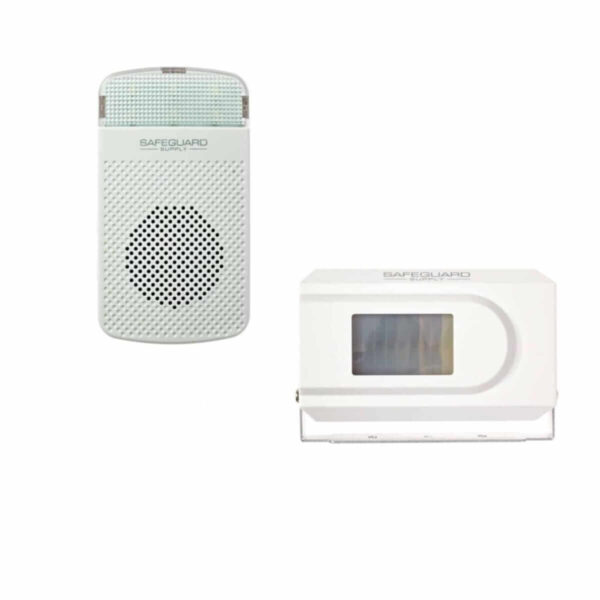
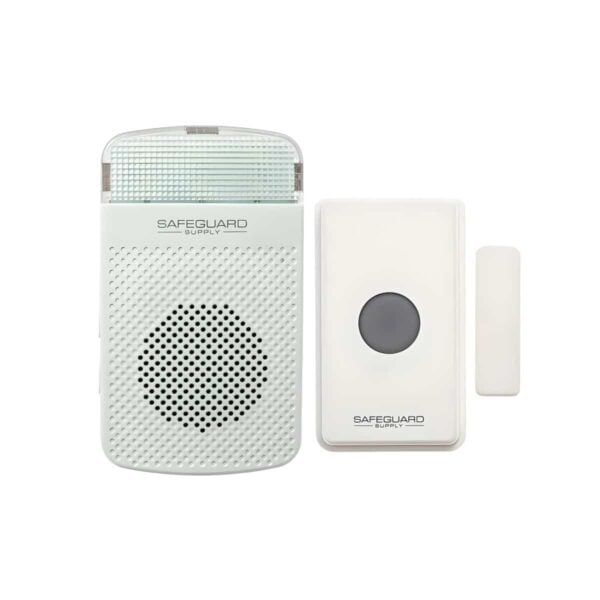
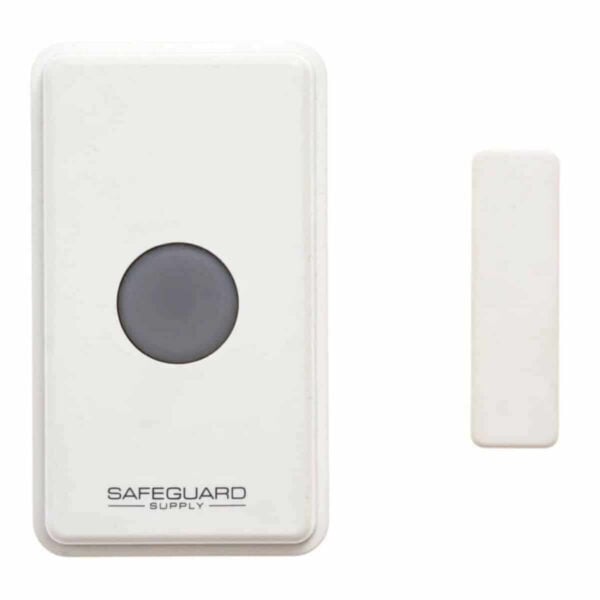
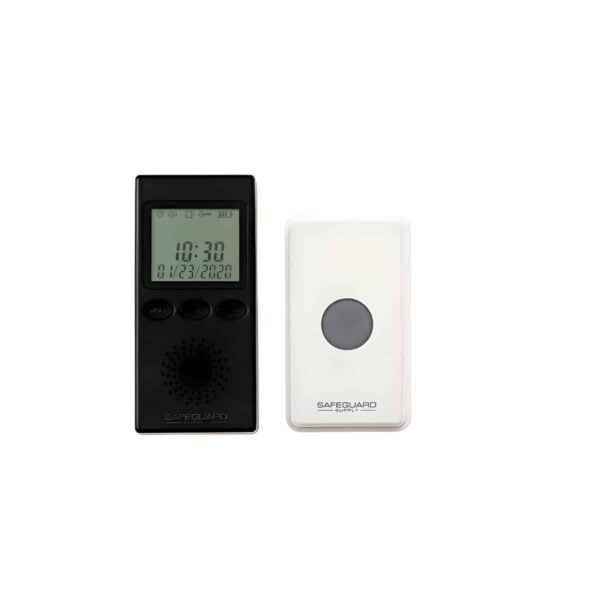
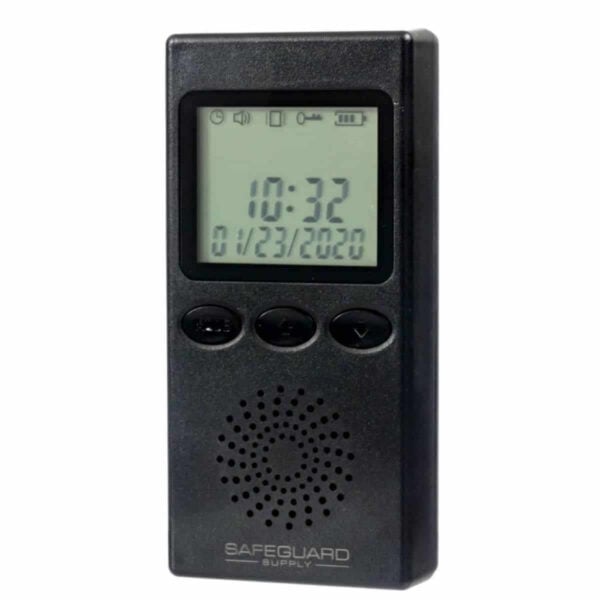
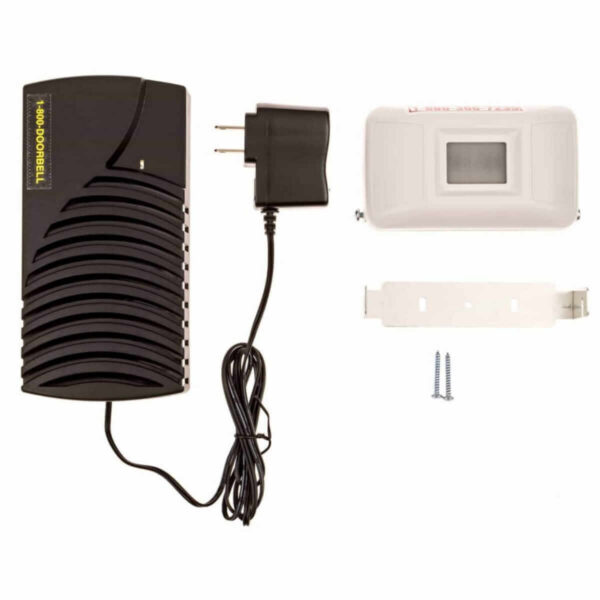

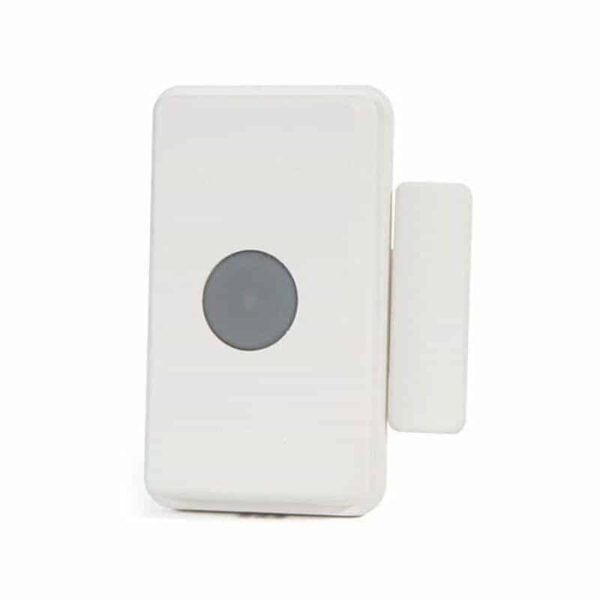
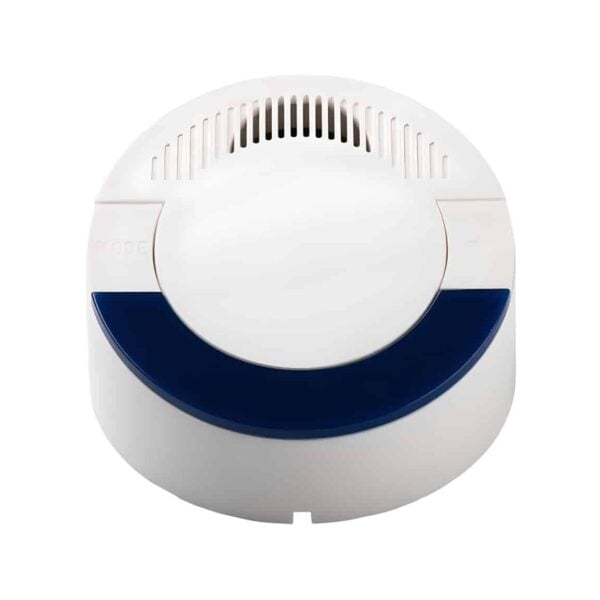
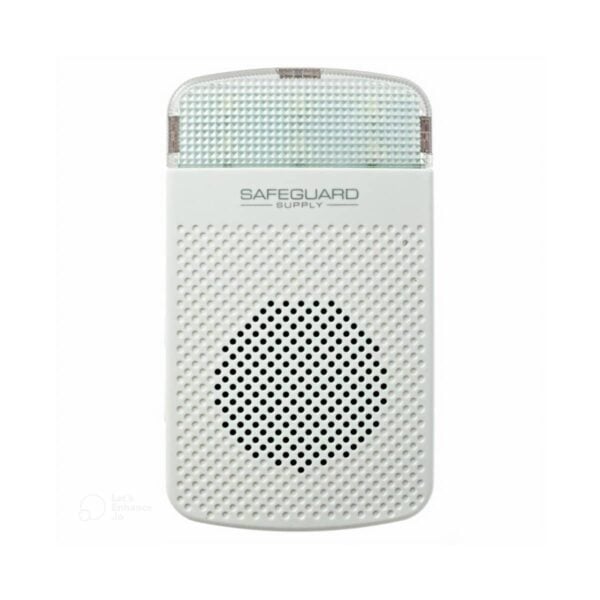
From $119
Warehouses, shops, and acreage
From $69
Large homes and small business coverage
From $109.95
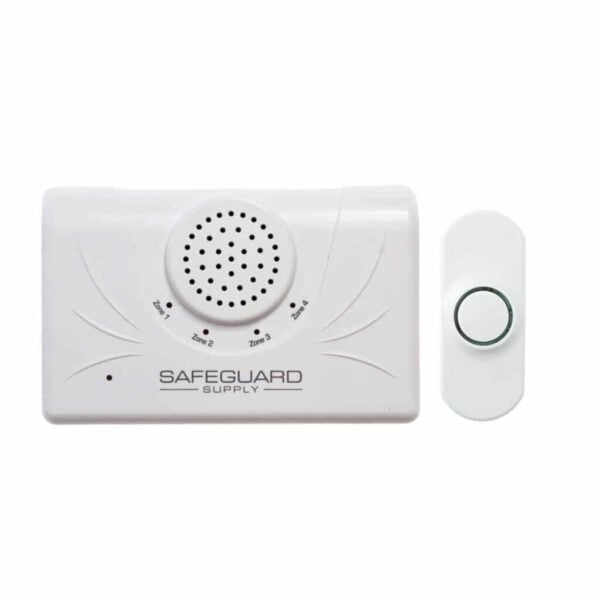
Shop entrances and front counters
Long range door chimes are wireless systems built for longer distances and tougher environments where standard residential products usually fall short.
When the distance from push button to receiver exceeds 100 ft, especially in warehouses and larger commercial facilities.
When metal walls, concrete, or heavier commercial materials block signals that basic residential chimes cannot push through.
When products from box retail stores do not have the power needed for your commercial doorbell application.
When you need speakers, strobe lights, or visual indicators for louder commercial environments.
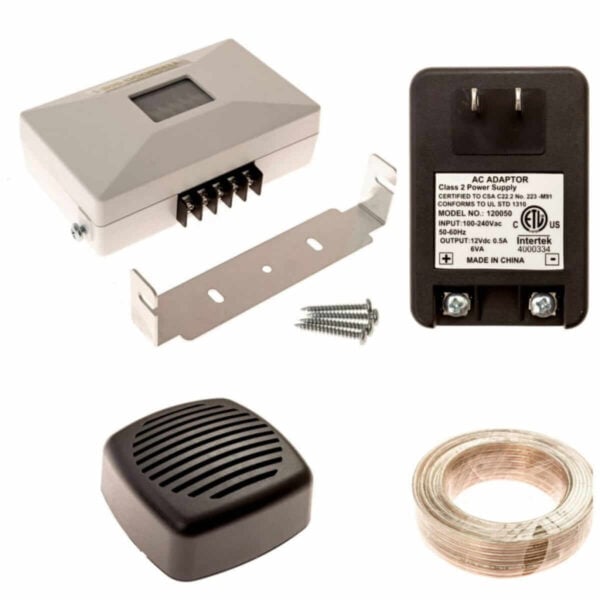
Our best-selling store door chime is designed for warehouses, shops, larger homes, and other business locations. These long-range kits combine the strongest preserved business-use cases from the legacy site into a cleaner starting point.
Why businesses choose this kit
Many older wireless door chimes were capped around 150 feet and could not handle heavier commercial building materials. This commercial-grade family solves that problem with much stronger published range and better receiver flexibility.
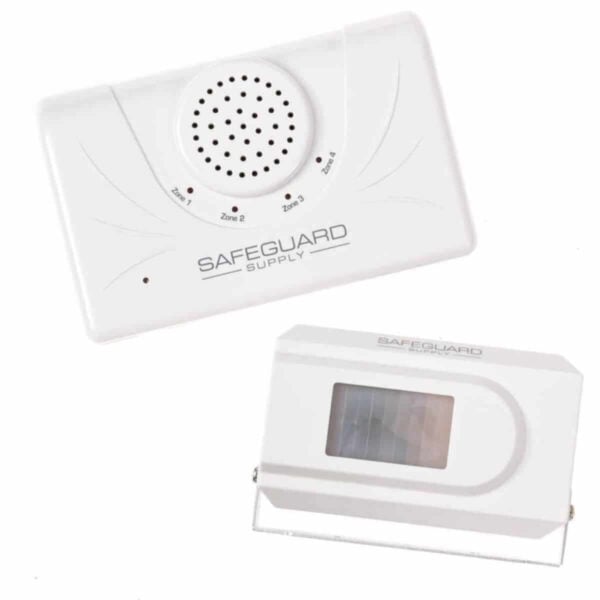
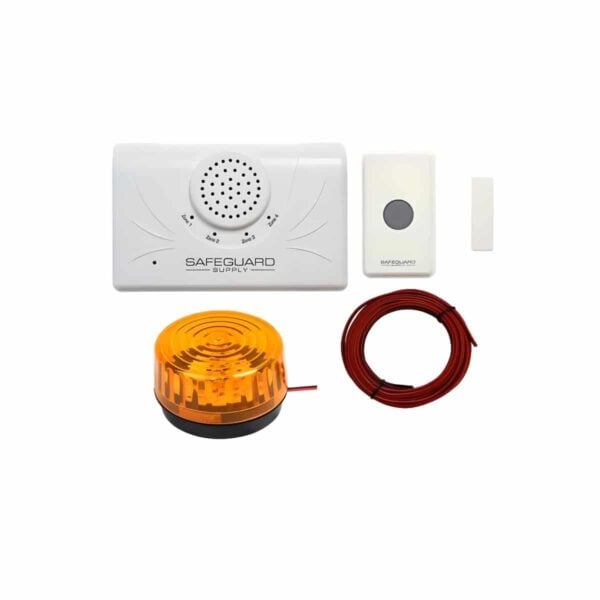
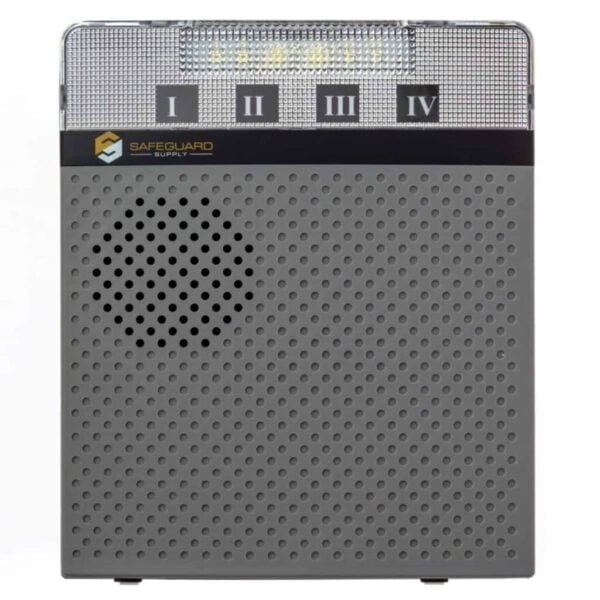
A long-range system with up to 4,000 ft of published range and a bright flashing strobe for workshops, warehouses, and other loud spaces where a visual alert matters.
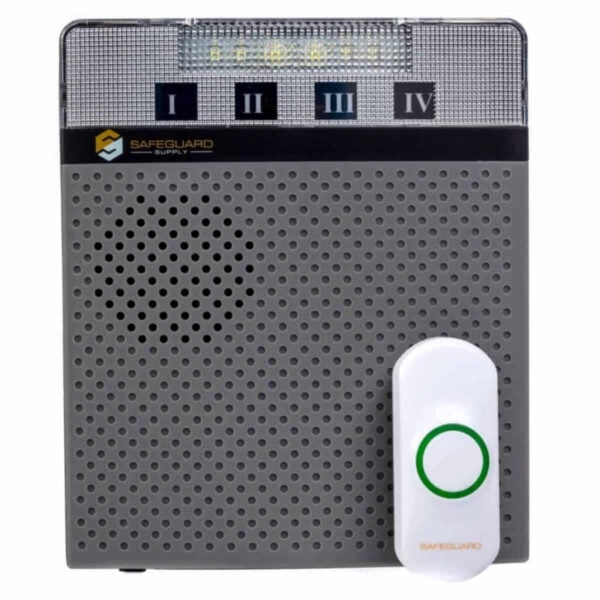
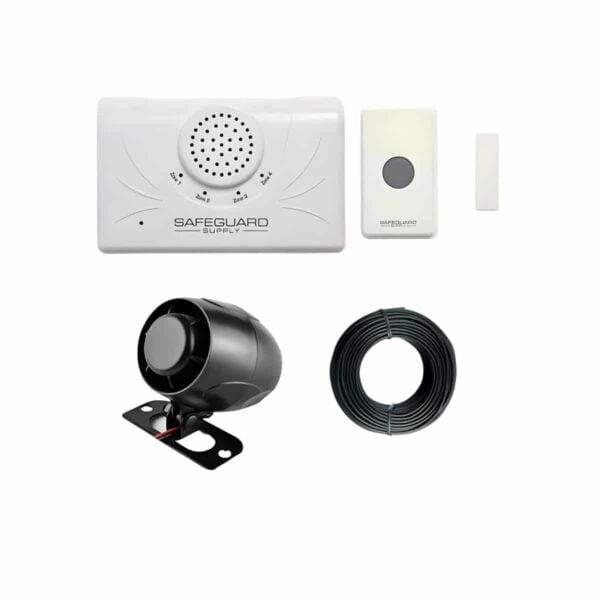
An extra-loud siren-based business door chime kit built for industrial spaces where a standard chime can disappear into the background noise.
Superior range and reliability matter most on commercial jobs where the receiver is not sitting a few rooms away from the entrance.
While standard wireless chimes often stop around 75-150 feet, long-range business systems extend much farther for offices, warehouses, and industrial layouts.
Add a door chime for business in minutes without calling an electrician or opening up finished walls.
Do not miss visitors, service calls, or deliveries just because staff are away from the front door or stock-room entry.
Efficient and attractive solutions for entrances, service doors, and larger commercial properties that need better awareness than a standard home chime can offer.
Excellent for back doors where your business receives deliveries.
Replace a failed wired or short-range unit without a complicated rework.
A strong fit for larger shops and warehouses that need visual or louder alerts.
Useful when a quality store door chime is needed for locked business entrances.
These commercial door chime systems are built for longer distances, tougher materials, and broader receiver choices. With options for strobes and sirens, they are meant to keep you aware of visitors, deliveries, and staff movement in the places where basic consumer products fail.
Not quite the right fit? These related setups solve nearby problems.
Commercial long-range chimes run from about 300 ft to 4,000 ft (ERA Series), compared with roughly 75–150 ft for standard residential chimes. That extra range is what lets a receiver at a back counter or office hear a front or dock entrance.
Long-range ERA systems push through tougher commercial building materials far better than box-store chimes, but heavy metal and concrete still cut range. For large or divided layouts, add receivers or a range extender rather than relying on one unit.
Yes. Add unlimited receivers so multiple people or rooms hear the alert, and add strobe or siren receivers for loud spaces like warehouses and workshops.
No. They run on dedicated 433 MHz radio frequency with no WiFi, no app, and no internet required.
For a quiet front counter, a simple push-button or door-contact chime is usually enough. If staff move away from the counter, add receivers in the back room, office, or work area.
For a warehouse, choose a long-range system with a loud receiver, strobe, or relay output. Receiver placement matters; one receiver near the office may not cover a shipping area, shop floor, and back door.
Yes. Many receiver families let each transmitter use a separate zone or melody. That helps staff tell a front entrance, service door, dock door, or stock room apart without checking the door first.
Usually yes. Business chimes are chosen for longer range, louder receivers, multiple entrances, strobe options, and tougher building materials. A standard home wireless doorbell may work at a quiet front counter, but larger shops and warehouses usually need a stronger receiver family.
Related support
Why Published Range Differs from Real-World Range When shopping for wireless doorbells, entrance alerts, driveway alarms, and other long-range wireless products, you’ll notice every product lists a maximum wireless range—typically stated as “up to X,000 feet.” For example, the Dakota Alert DCPA-4K-PLUS Driveway Alarm lists a range of “up to 5,000 feet.” It’s important to…
There are ways to cover multiple entrances when using a doorbell system. Click below to read the answer to the question. When we talk about using doorbell buttons for different doors we are typically referring to changing the tune a receiver (or multiple receivers) play when a paired button is pressed. Each manufacturer has a slightly…
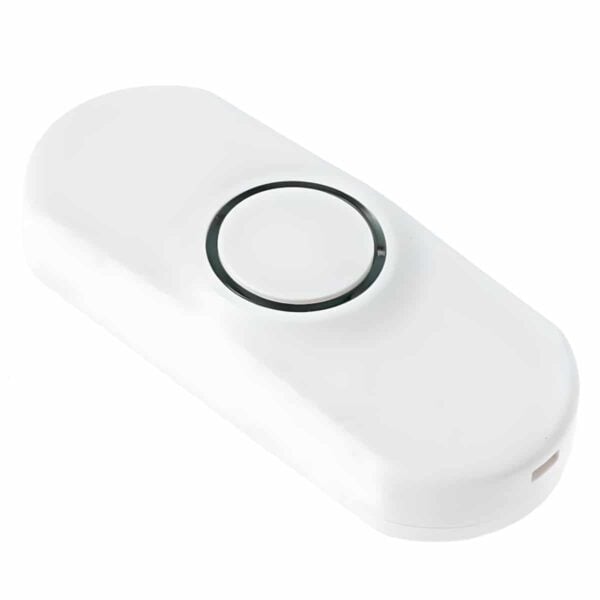
Most Wireless buttons are NOT available lighted as they would require power 24/7 and drain the batteries too quickly. The only illuminated wireless buttons we are aware of are the LRA-PBTX and the ERA-PBTX. This wireless transmitter features a LED bulb that lights up the center push button whenever the visitor presses it, indicating a successful transmission. The ERA-PBTX consumes…