
Most popular
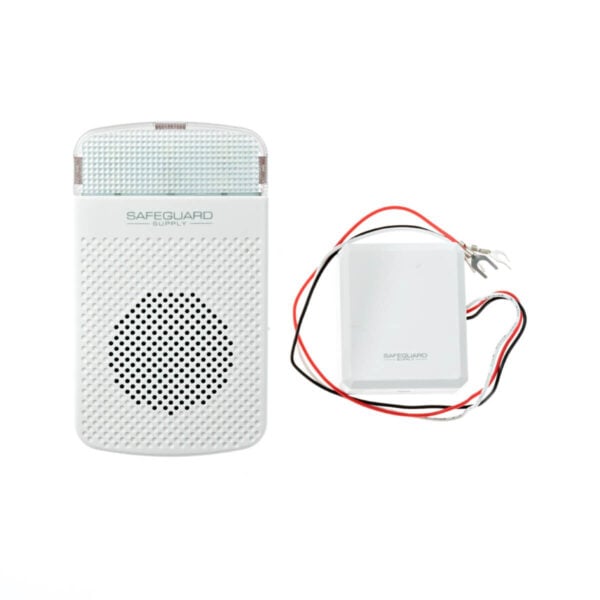
ERA Series
4,000 ft
From $119
Warehouses, shops, and acreage
- Extra-loud + strobe receivers
- Expand to dozens of zones
Doorbell extenders are for people who already have a doorbell that works, but cannot hear it everywhere they need to. They are especially useful in larger homes, finished basements, detached garages, offices, and workshops.
Use an extender when the current wired doorbell works but cannot be heard or seen where people spend time.
If the front chime is dead, troubleshoot the wired system first. If it rings near the entry but is missed upstairs, outside, or in a shop, an extender is the right category.
Quick answer
Use a doorbell extender when the existing doorbell works but cannot be heard or seen in the rooms that matter. The extender listens for the current chime or button signal and repeats it to added receivers.
Doorbell extenders are for people who already have a doorbell that works, but cannot hear it everywhere they need to. They are especially useful in larger homes, finished basements, detached garages, offices, and workshops.
If your current button and chime still function properly, an extender can be a better fix than replacing the whole system.

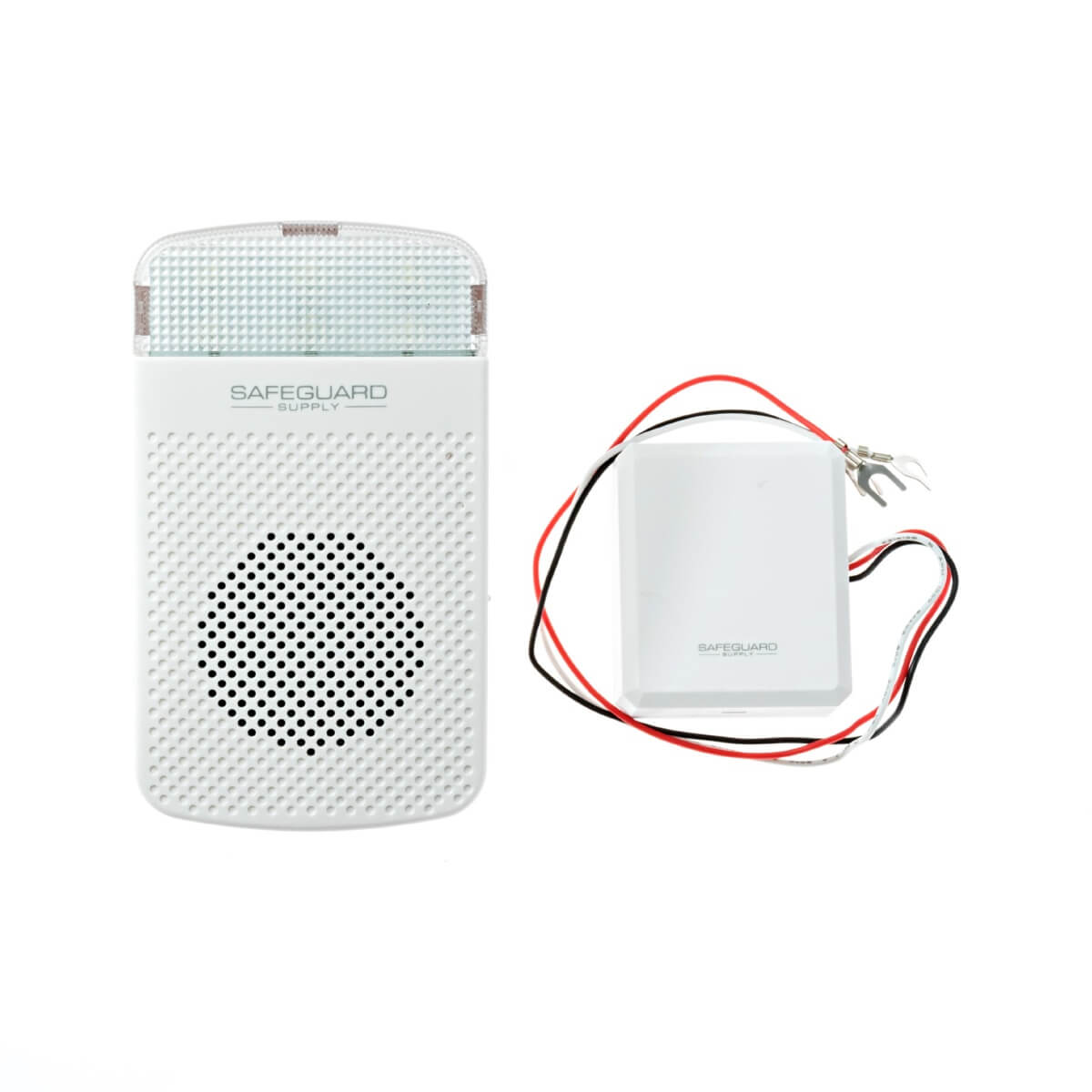
See how the ERA-EXKIT repeats your existing doorbell to extra receivers so you can hear the door anywhere in the house, shop, or yard.
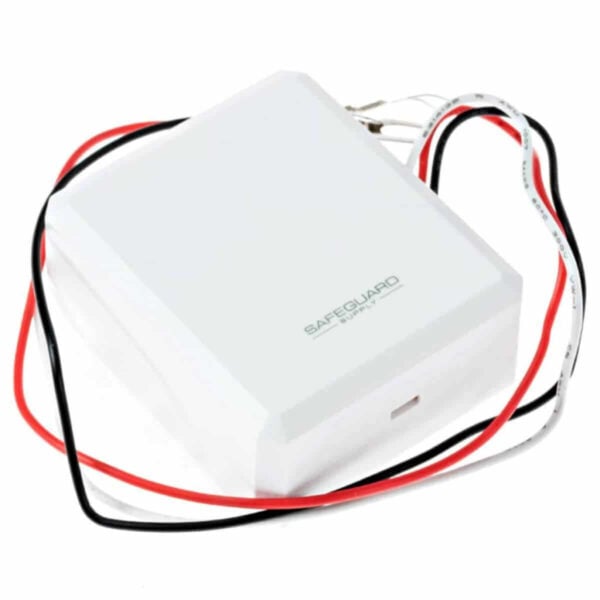
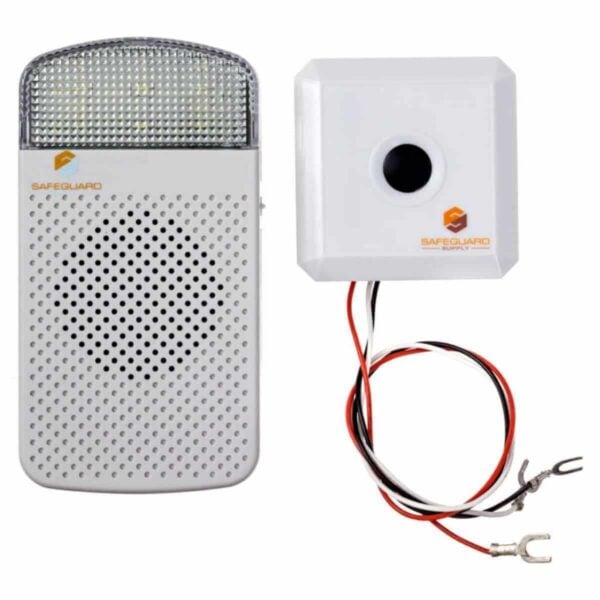
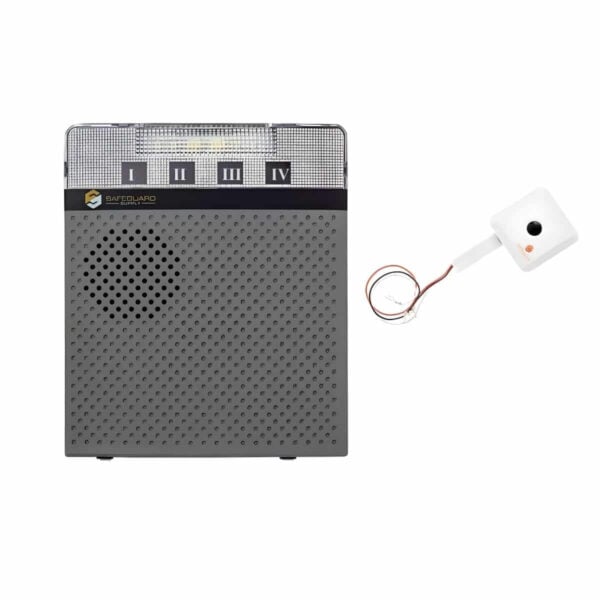
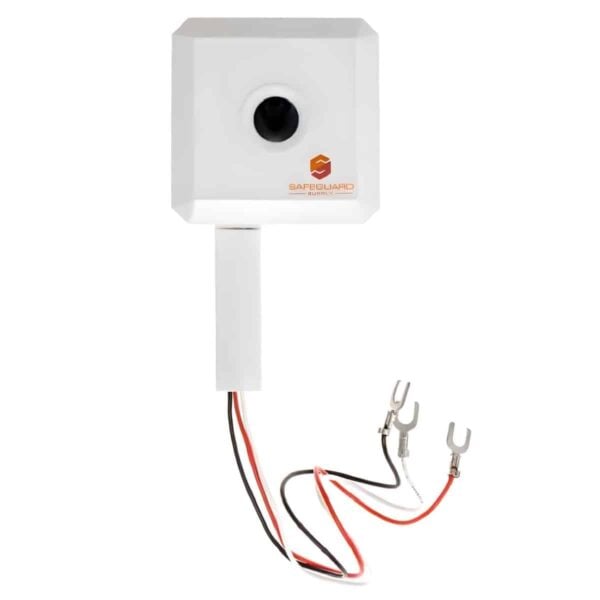
A doorbell extender, sometimes called an extend-a-chime, adds wireless coverage to an existing wired doorbell so you can hear it in more parts of the home or building. That matters because many customers do not need a brand-new doorbell system at all. They just need the current one to ring in the places where people actually spend time.
If the front-door chime works near the entry but disappears in the back bedroom, upstairs office, garage, basement, patio, or workshop, this category is usually the right place to start.
The simplest way to think about it is this: the extender listens for the doorbell press, not just the sound in the room, and then relays that event to one or more wireless receivers. That is why these products are useful when a wired chime is too quiet, too far away, or blocked by walls and distance.
The production page does a good job pointing customers toward the LRA-EX1000 and the ERA-EXKIT because both make the category easier to understand. The main decision is usually coverage range, receiver style, and whether you want features like a strobe light or additional expansion later.
Customers with larger homes, brick or stucco construction, or harder-to-hear locations often do better starting with the stronger kits in this collection rather than trying to patch the problem with a basic doorbell replacement.
A doorbell extender lets you keep the button and chime you already like instead of replacing the whole system.
Most setups only need a small transmitter connected at the chime or wired doorbell location, not new wire runs through finished walls.
Receivers can be placed upstairs, in a back bedroom, in the basement, near a workshop, or anywhere else the original chime is hard to hear.
Some extender systems support strobe or visual alert receivers, which can be a better fit for customers shopping in our hearing-impaired category.
You can start with one receiver and add more later if the layout of the home or business changes.
If the existing wired doorbell still works, extending it is usually simpler and less expensive than tearing it out and starting over.
Most doorbell extender kits work in a straightforward sequence. The exact wiring and receiver options vary by product, but the process is usually easier than customers expect.
The extender transmitter ties into the existing wired doorbell so it knows when the button has been pressed.
Wireless receivers plug into outlets or sit where extra coverage is needed, depending on the model you choose.
When someone presses the doorbell, the transmitter relays the event so the added receivers chime too.
If you are still deciding whether an extender is the right fit, it can also help to compare this category with wireless doorbells, wired doorbells, business chimes, and hearing-impaired alert products. An extender is usually the best answer when the existing wired doorbell still works and the real problem is simply coverage.
A doorbell extender repeats an existing doorbell alert to one or more added receivers. It is useful when the current doorbell works but cannot be heard or seen in another part of the home or business.
No. The point of an extender is to keep the working doorbell and add coverage. The extender transmitter connects to or listens for the existing doorbell, then sends the alert to compatible receivers.
Yes. Many extender kits can pair with flashing receivers, which helps in loud rooms, workshops, bedrooms, or homes where a visual alert is easier to notice.
Usually yes, if the receiver family has enough range for the building materials in the path. Concrete, metal, and distance can reduce range, so choose a stronger system when the path is difficult.
No. These extenders use wireless radio signals between the transmitter and receiver. They do not need WiFi or a phone app.
Related support
Why Published Range Differs from Real-World Range When shopping for wireless doorbells, entrance alerts, driveway alarms, and other long-range wireless products, you’ll notice every product lists a maximum wireless range—typically stated as “up to X,000 feet.” For example, the Dakota Alert DCPA-4K-PLUS Driveway Alarm lists a range of “up to 5,000 feet.” It’s important to…
There are ways to cover multiple entrances when using a doorbell system. Click below to read the answer to the question. When we talk about using doorbell buttons for different doors we are typically referring to changing the tune a receiver (or multiple receivers) play when a paired button is pressed. Each manufacturer has a slightly…
Most Wireless buttons are NOT available lighted as they would require power 24/7 and drain the batteries too quickly. The only illuminated wireless buttons we are aware of are the LRA-PBTX and the ERA-PBTX. This wireless transmitter features a LED bulb that lights up the center push button whenever the visitor presses it, indicating a successful transmission. The ERA-PBTX consumes…