
ERA-DSDCR: Can Two Kits Alert Both Receivers?
Two ERA kits can share sensors and receivers: up to 12 sensors, unlimited chime receivers, and a separate chime sound for each sensor.
FAQ and compatibility answers
Use this answer together with the linked product categories below. Most FAQ topics here end in a specific part — a transformer, a chime, a push button, or a receiver — and each category page compares the options we stock.
On This Page
Related Categories And Products
Yes. The ERA series works with up to 12 sensors and an unlimited number of chime receivers, so two ERA-DSDCR kits can be set up so that both sensors alert both receivers. Each sensor can have its own chime sound, so you know which area was triggered.
What is the ERA-DSDCR?
Pair each sensor with both receivers if you want either driveway to trigger both receivers. Test one sensor at a time.
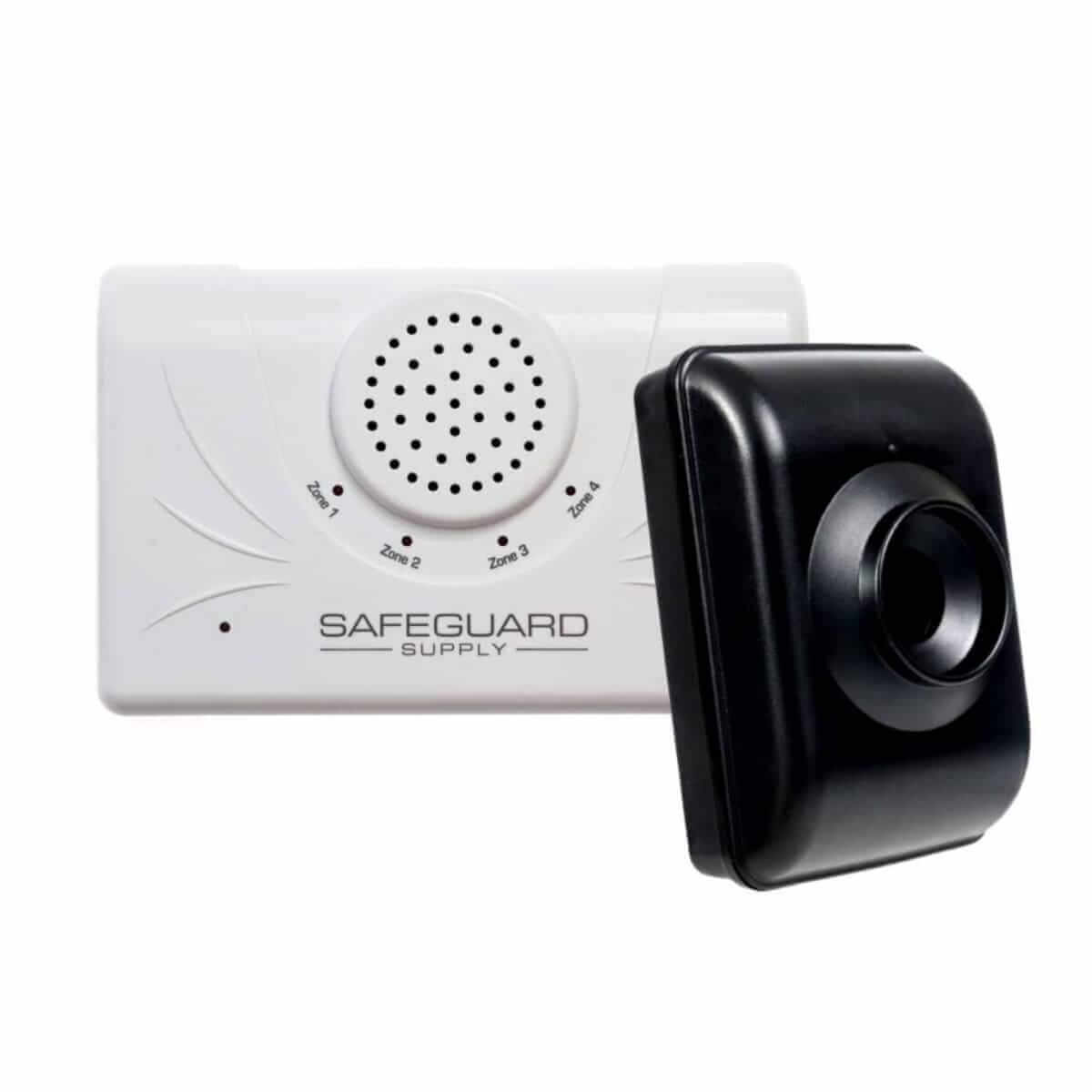
The ERA-DSDCR long-range wireless driveway alarm kit is an outdoor sensor paired with an indoor chime receiver, rated up to 4,000 ft. It is part of the ERA series, which is built so that you can add more sensors and more receivers later.
What comes in the kit, and what you need for a second location
Each kit has one sensor (the transmitter) and one receiver (the chime). The sensor detects activity. The receiver makes the sound.
If you want to cover a second area, you need another sensor. If you want to hear alerts in a second room or building, you need another receiver. Two full kits give you two of each, and they can all be programmed to one another. If you only need one more of either part, confirm the exact mix of parts with us before ordering full kits.
Pairing two sensors to two receivers
A customer with two kits had both transmitters working on the first receiver, one as zone 1 and one as zone 2, but could not get the second receiver to pick up either one. Our answer was that the programming process is the same for connecting the two transmitters to the second receiver.
- Unplug the receiver you have already paired successfully. This makes pairing the other receiver easier.
- Put the second receiver into programming mode and pair the first transmitter, following the same steps you used on the first receiver.
- Repeat for the second transmitter, so it takes its own zone.
- Plug the first receiver back in and test each sensor against each receiver.
The transmitters and receivers do not interfere with Bluetooth signals, so nearby Bluetooth devices are not a concern. The exact button sequence for your model is in the product user manuals.
Giving each sensor its own sound
Each sensor can be set to its own chime sound. With one zone per transmitter, you can tell a driveway trigger from a back gate trigger without looking. For more on sound options, see doorbell sounds and chime receivers.
Sensor placement and range
Place the outdoor sensor where it has the clearest view of the path you want to watch. The 4,000 ft rating is for open conditions, and walls, trees and terrain reduce it. Our driveway alarm range guide explains what to expect.
Can the sensor be used indoors?
Yes, a driveway sensor can monitor across an open shop doorway. We also have a similar sensor made specifically for indoor use, the ERA-PRDCR entry alert kit. For more indoor options, see entry alert systems for shops.
If a receiver stops alerting
- Check that the receiver is plugged in and that the sensor has power.
- Re-pair the sensor if you unplugged and re-paired other receivers, and test one at a time.
- Move the receiver closer to the sensor to rule out a range problem.
If it still does not work, call us at 904-245-1184 or use the contact page.
More in Driveway Alarm FAQ
Browse the full FAQ category or continue with related answers from the same FAQ category.