
Clearing the TTl Log on the ERA-VPRX
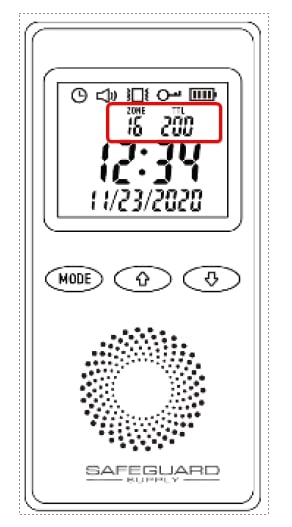
The ERA-VPRX will keep a log of up to 200 events per zone. Each time a transmitter paired to a zone is triggered, it will record the event. To clear the log for a zone, please follow the steps below. Note: recent TTL (the event log) is displayed on the LCD screen (see image below)….
FAQ and compatibility answers
Use this answer together with the linked product categories below. Most FAQ topics here end in a specific part — a transformer, a chime, a push button, or a receiver — and each category page compares the options we stock.
Related Categories And Products
The ERA-VPRX will keep a log of up to 200 events per zone. Each time a transmitter paired to a zone is triggered, it will record the event.
To clear the log for a zone, please follow the steps below.
*Note: recent TTL (the event log) is displayed on the LCD screen (see image below). Before viewing the log files or deleting them, this recent TTL event must be cleared from the screen. This is done by tapping the power button located on the left side of the ERA-VPRX. You will hear a quick beep sound once the TTL event has been cleared from the screen.
- Make sure recent events are cleared from the screen by tapping the power button.
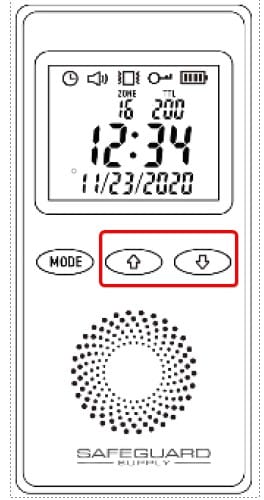
- Unlock the keypad by simultaneously pressing the “up” and “down” buttons until you hear a beep, then release.
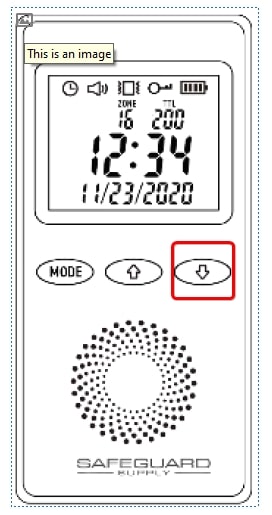
- Scroll through the zones by pressing the “down” button to view the TTL event for each zone.
- When you land on the zone you want to clear, hold down the “mode” button for approximately 2 seconds, until you hear a beep sound.
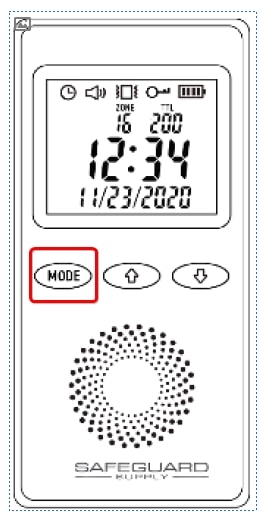
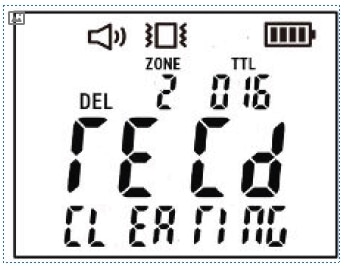
- After holding down the “mode” button for 2 seconds, you should see this in the LCD display:
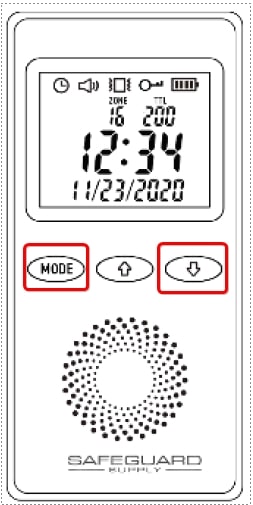
- Next, simultaneously hold down the “mode” button and “down” button until you hear two quick beeps and the event log number (TTL) changes to “000.” The log is now cleared.
- If you have another zone to clear, click the “down” button to advance to the next zone and repeat the previous two steps.
- If you have no other zones to clear, simply wait a few moments and the unit will exit programming mode.
More in ERA Product FAQ
Browse the full FAQ category or continue with related answers from the same FAQ category.