
How a Wireless Driveway Alarm Improves Perimeter Awareness
Use this guide to understand what a wireless driveway alarm actually helps with, where it fits, and which sensor style makes sense for your property.
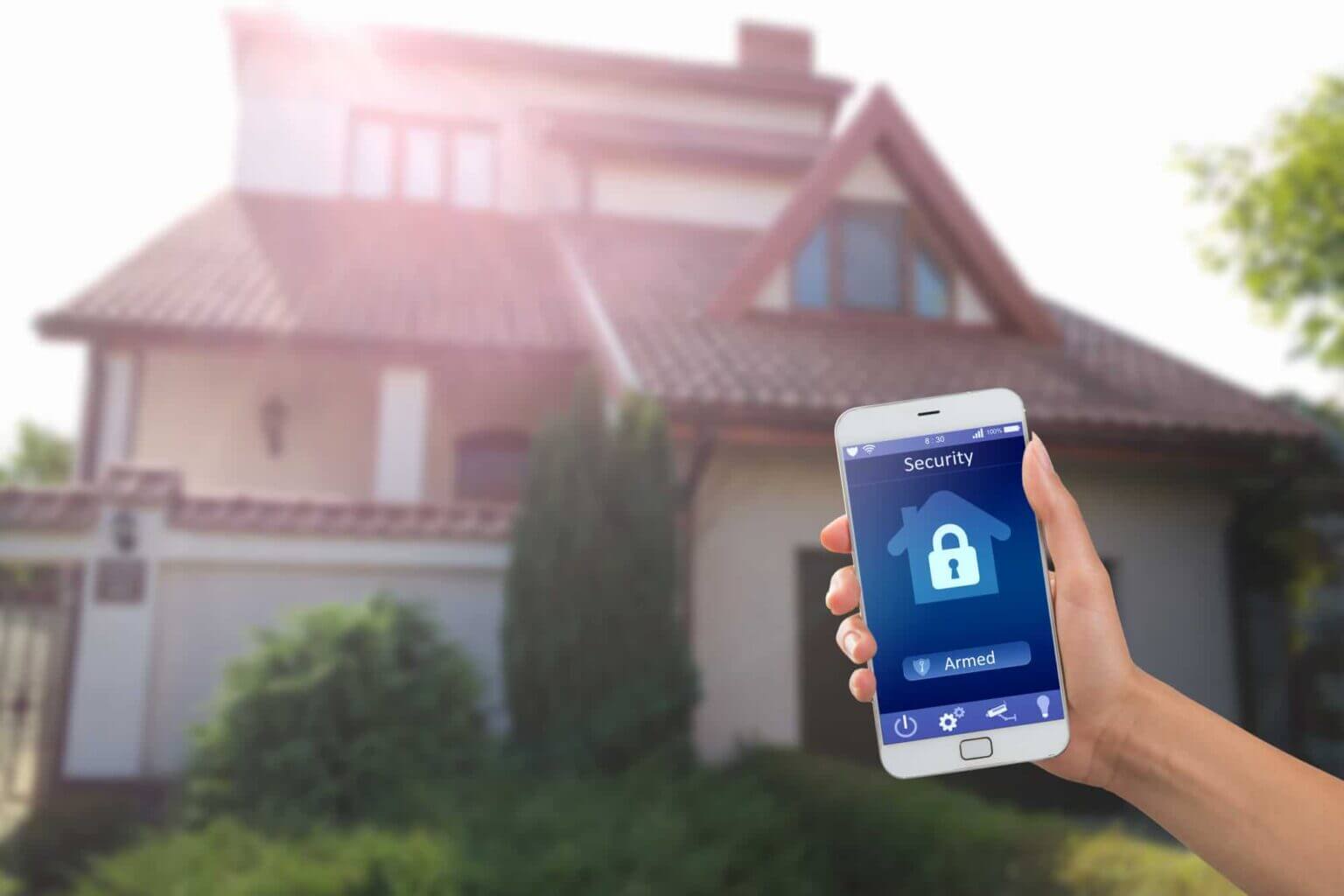
Driveway alarms
A driveway alarm should help you understand movement at the edge of the property before someone reaches the house, shop, or gate. The right choice depends on range, sensor type, power source, and whether you want motion sensing, probe sensing, or a break-beam setup.
On This Page
- What a driveway alarm actually does
- Where a driveway alarm helps most
- Five practical benefits
- 1. Earlier warning at the edge of the property
- 2. Better control of multi-point access
- 3. Flexible installation
- 4. Useful awareness beyond security
- 5. Expandable coverage
- Which sensor style to choose
- Where to compare more options
Related Categories And Products
What a driveway alarm actually does
A wireless driveway alarm gives you advance notice that a vehicle or person has crossed a monitored point on the property. That matters because the useful warning happens before someone reaches the garage, front door, workshop, or gate.
Where a driveway alarm helps most
- Long driveways where visitors cannot be seen from the house
- Rural properties with outbuildings, barns, or detached garages
- Businesses that need notice before someone reaches a loading or service entrance
- Homes where deliveries and guests often arrive before anyone hears them
Five practical benefits
1. Earlier warning at the edge of the property
A driveway sensor moves your awareness farther out from the building. Instead of hearing someone only when they reach the door, you know they are approaching while there is still time to respond.
2. Better control of multi-point access
If your property has more than one approach, expandable systems let you watch separate drive lanes, gates, or detached building entrances with dedicated sensors and receivers.
3. Flexible installation
Most modern driveway alarm kits install without trenching wire across the property. The main decision is choosing the right sensor type: motion, buried probe, break beam, or hose sensor.
4. Useful awareness beyond security
Many customers use driveway alarms for guests, deliveries, farm traffic, and staff arrivals, not just security. The product is often just as valuable for day-to-day awareness as it is for perimeter monitoring.
5. Expandable coverage
A good long-range driveway alarm can usually grow with the property. That matters when you later decide to cover a second lane, a side entrance, or a separate outbuilding.
Which sensor style to choose
Use a motion-based driveway alarm kit for general traffic awareness. Use a probe driveway alarm when you want vehicle-specific detection in a buried installation. If you want an expandable long-range option with multiple receiver choices, compare the ERA driveway alarm kit as well.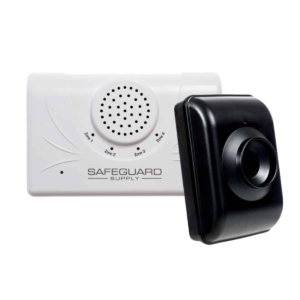
Where to compare more options
To compare sensor types in one place, use the full driveway alarm category and then review the driveway alarm reviews guide before you buy. For a deeper look at sensor types, range, and installation, read the ultimate driveway alarm guide.