ring-doorbell-transformer

How to Use a Video Doorbell with Your Traditional Wired Doorbell: A Complete Guide

In today’s smart home era, video doorbells from Ring and Google Nest have revolutionized home security. However, many homeowners still cherish the classic charm of a traditional wired doorbell. The exciting news? You can have both with the right setup!

Understanding Power Requirements

The foundation of a successful dual-doorbell system lies in selecting the proper ring doorbell transformer. While most wired doorbells operate on a 16V system, adding a video doorbell requires careful power planning.

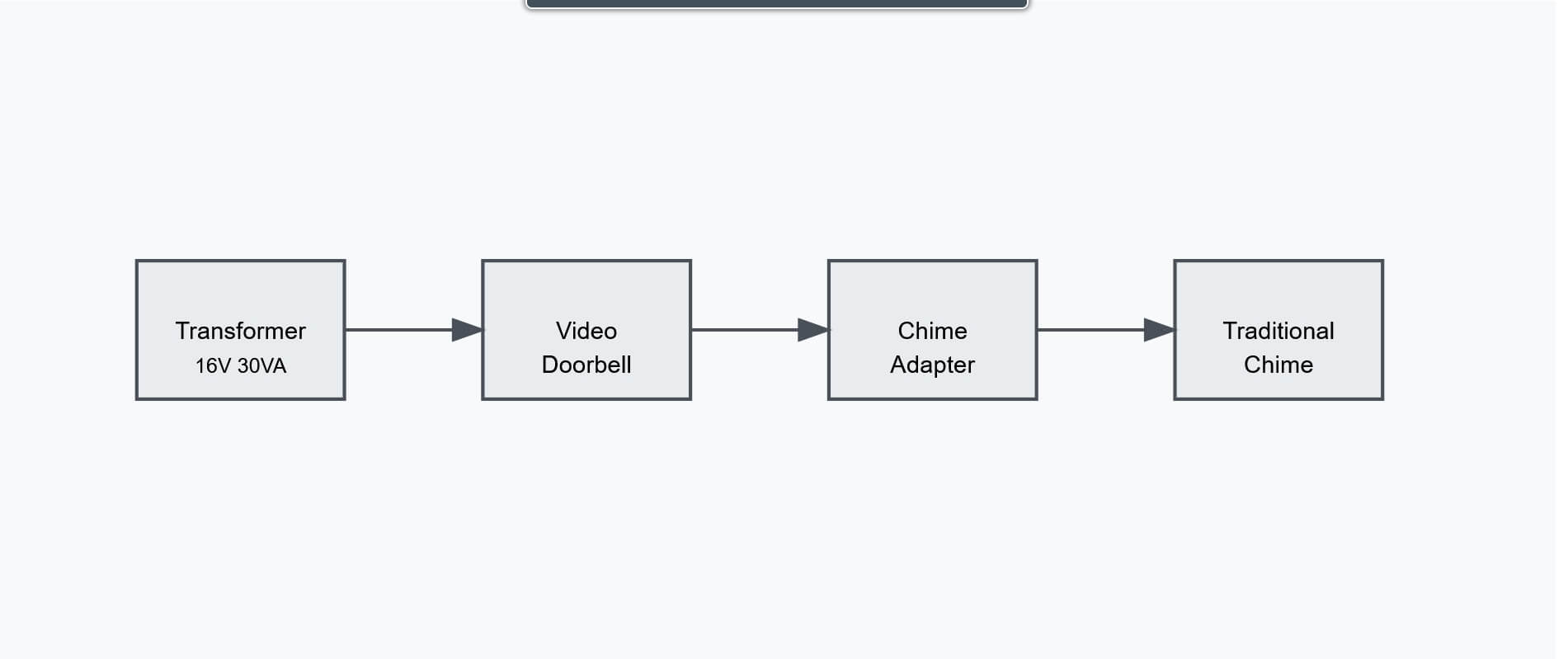
For optimal performance, we recommend a transformer rated at 16V with at least 30VA (Volt-Amperes). The Craftmade T1630 doorbell transformer is an excellent choice that perfectly meets these specifications, providing reliable power for both systems.

Installation Guide: Step-by-Step

  1. Assess Current Setup
    • Verify transformer specifications
    • Check wiring condition
    • Confirm video doorbell compatibility
  2. Select Your Equipment
    • Choose your video doorbell model
    • Pick a wired doorbell that matches your style
    • Secure a suitable 16V transformer (like the T1630)
  3. Transform Your Power Supply
    • Power down at circuit breaker
    • Remove existing transformer
    • Install new 16V 30VA transformer
    • Connect to home power supply
  4. Connect Both Systems
    • Install video doorbell’s power kit
    • Wire traditional chime
    • Complete video doorbell installation
    • Test both systems thoroughly

System Configuration Best Practices

  • Always use the provided chime adapter
  • Maintain proper wire connections
  • Regular system testing
  • Keep components clean

Selecting Your Traditional Chime

While video doorbells offer modern features, traditional wired doorbells add timeless elegance. Consider:

  • Sound quality and volume
  • Design aesthetics
  • Weather resistance
  • Installation requirements
  • Transformer compatibility

Troubleshooting Guide

  1. Video Doorbell Issues
    • Check transformer output
    • Verify connections
    • Confirm bypass installation
  2. Traditional Chime Problems
    • Test bypass device
    • Inspect connections
    • Verify transformer function
  3. Overall System Performance
    • Monitor transformer output
    • Check all connections
    • Consider VA rating upgrade

Maintenance Tips

Keep your dual system running smoothly:

  • Quarterly button cleaning
  • Annual wire inspection
  • Monthly system testing
  • Battery maintenance (if applicable)
  • Regular transformer checks

Conclusion

With the right setup, the perfect blend of modern security and classic charm is achievable. The key is using an appropriate ring doorbell transformer, like the T1630 16V 30VA model. This combination delivers both advanced security features and traditional elegance.

Always consult qualified electricians for electrical work, and follow manufacturer guidelines carefully.


Note: The wiring diagram above illustrates the basic setup of a dual doorbell system. For detailed wiring guidelines, always refer to specific manufacturer instructions.

Similar Posts

  • Doorbells for Hearing Impaired & Elderly – Never Miss a Visitor

    As we age, one of the first things “to go” is our hearing. Things we took for granted in our younger years like hearing the phone ring, the television, or the front doorbell buzz are all things we miss dearly in our older years.
    It’s not just a convenience factor, there are safety reason we need to have products we can hear or see. Fire alarms, visitors at the door, or emergency phone calls are just a few examples. We carry over 100 products at 1800doorbell.com designed with the hard of hearing in mind. From simple door chimes with a bright flashing strobe light, to alarm clocks that vibrate your pillow, they are all designed for ease of use and effectiveness. This article outlines a few basic points when choosing the right doorbell for the hard of hearing.

  • Top 10 Most Decorative Doorbell Chime Covers & Buttons

    A doorbell isn’t just about the sound it makes, or the technical aspects of the chime. A doorbell is a decorative accent to your home. When people enter your home, one of the first things they see is your doorbell.
    You’ve spent a ton of money decorating your home with nice drapes, furniture, and art work, but left that “plain Jane,” builder-grade doorbell in your foyer…you’re not builder grade! Take down that doorbell and install something that reflects who you are.
    This article reviews our “Top 5 Decorative Doorbell Covers,” and “Top 5 Doorbell Buttons.” Although these may not be what you are specifically looking for, we hope this article inspires you to find exactly what you want.

  • DCMA-4000 Driveway Alarm Video Overview

    DCMA-4000 Wireless Motion Alert Kit by Dakota Alert Video Overview PLEASE NOTE: This video is for the DMCA-2500 by Dakota Alert.  Dakota has replaced this product with the DCMA-4000.  The features are very similar with these noted differences: www.1800doorbell.com offers one of the most popular and cost-effective long-range wireless motion detectors on the market, the…

  • BL700 Motion Activated LED Deck Marker Lights with Low Glow Technology Introduction Video

    This is a great product, something I use to mark the post of my back porch. I didn’t think ahead and get lighting installed around and on my porch posts. In hindsight, I’m glad I didn’t because I know I would have liked these better. This is a great product demonstration video that’s going to…

  • The History of the Doorbell: Who Invented the Doorbell

    We take it for granted…that thing you don’t appreciate when it is working and hate when it’s not….the lonely doorbell. Doorbells and door chimes, or forms of them, have been around for a very long time. In Roman times, home owners had wind chimes, knockers, and other devices visitors could use to announce their presence.
    This article covers a brief outline of doorbells and their history. It’s a fun article with pictures and other information you might find useful. We would also like to thank the photographers who own these pictures for letting us use them in this article.