
Most popular
ERA Series
4,000 ft
From $119
Warehouses, shops, and acreage
- Extra-loud + strobe receivers
- Expand to dozens of zones
Wireless doorbells are often the cleanest answer when wiring is inconvenient or impossible. They work well for front doors, side doors, detached garages, offices, apartments, gates, and interior rooms where adding a receiver is easier than opening walls.
Start with the real-world distance, then match receiver style and notification type to the place you need to hear or see it.
Wireless range claims are line-of-sight numbers. Larger homes, masonry, metal siding, detached buildings, and noise all make it worth moving up to the next family.

Quick answer
Choose the wireless doorbell by distance and notification style first. For most homes, start with the LRA Series; use SS for shorter, simpler installs and ERA when the signal has to cross a larger home, detached building, shop, warehouse, or difficult wall path.
Wireless doorbells are often the cleanest answer when wiring is inconvenient or impossible. They work well for front doors, side doors, detached garages, offices, apartments, gates, and interior rooms where adding a receiver is easier than opening walls. If you are looking for a wired door bell, click the link here for "explore wired doorbells."
The main buying questions are simple: how far does the signal need to travel, what kind of receiver do you want, and will the system need to grow later. Some shoppers only need one push button and one plug-in receiver. Others need extra receivers, portable battery-powered receivers, strobe alerts, or extra transmitters for a side door, back door, or service counter.
Range matters more than most people expect. The published number is a comparison point, not a promise for every building. Brick, stone, metal siding, plaster, and detached structures all reduce effective range. If the signal has to cross a tougher path, moving up to a stronger series is usually the safer call. So when you see the published wireless range of a product, remember, this is line of sight with no interference. ALL wireless products will face interference, so make sure you have a wireless product with a little more range than you think you may need.
Wireless also makes sense when flexibility matters. If the receiver needs to move between a garage, office, basement, or patio, a portable or battery-operated receiver can be more useful than a fixed indoor chime.
Top Selling Wireless Doorbell Kits:
View our top-selling SS110 Wireless Doorbell Kit
View our Business/Retail Store Wireless Doorbell Best Seller
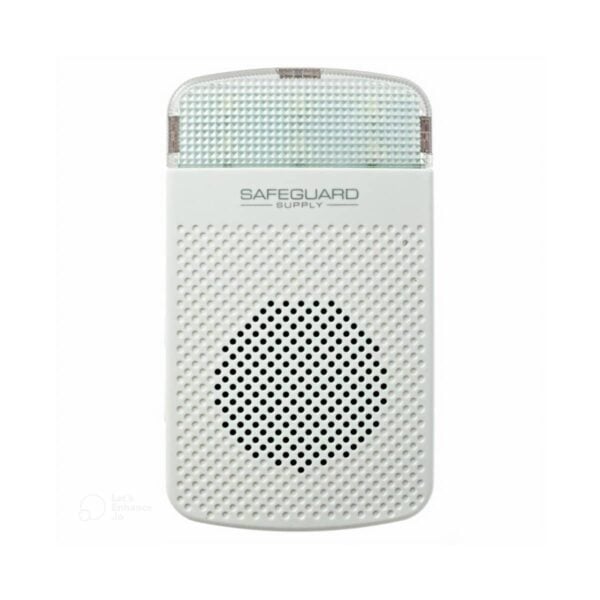
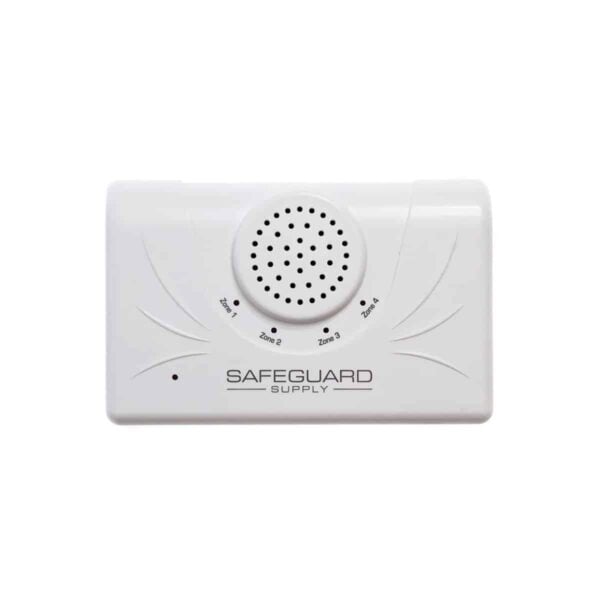
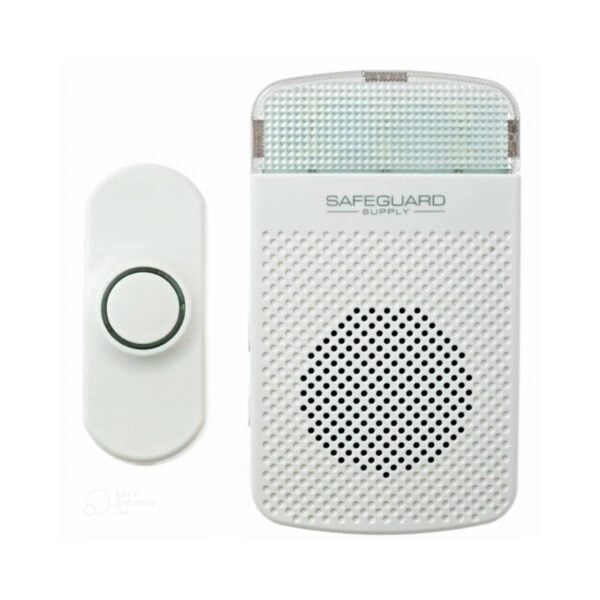
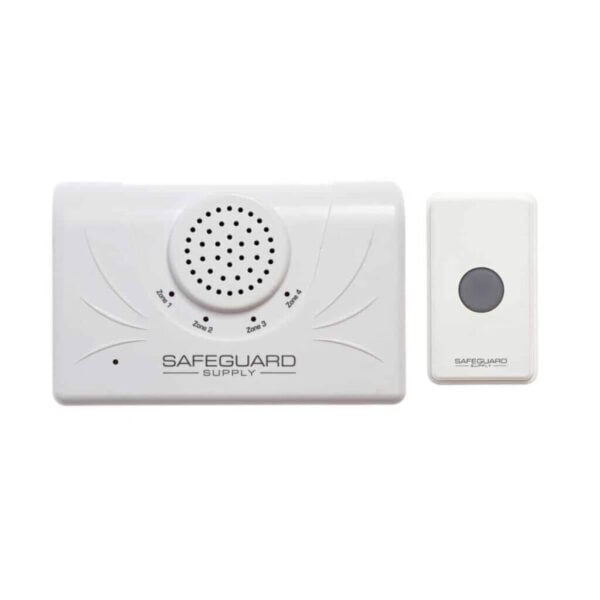
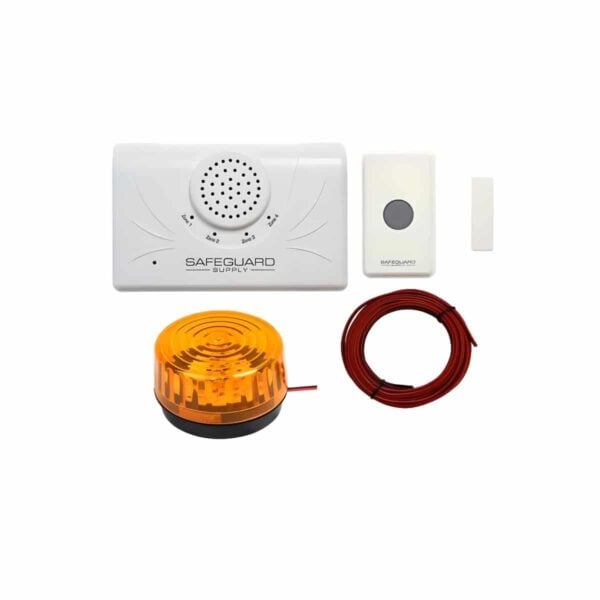
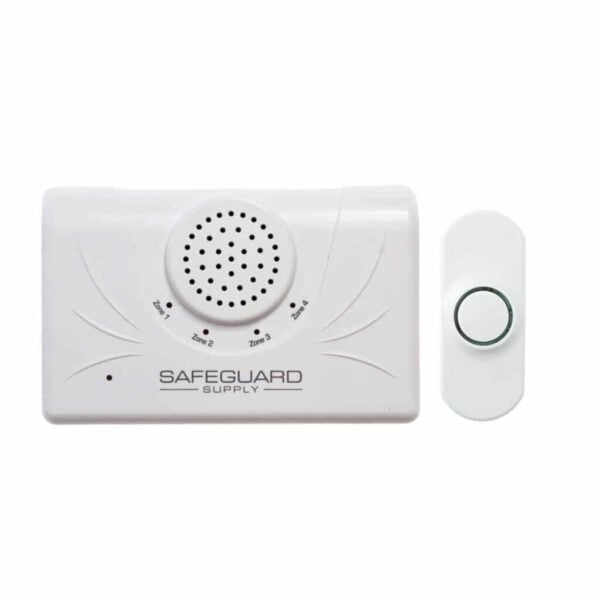
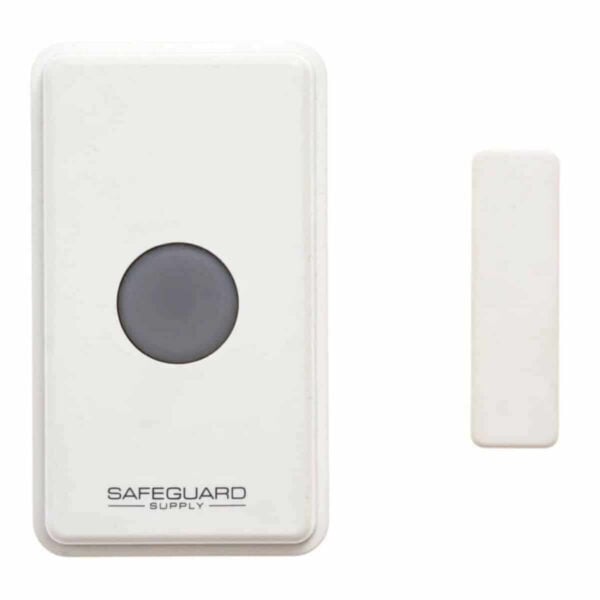
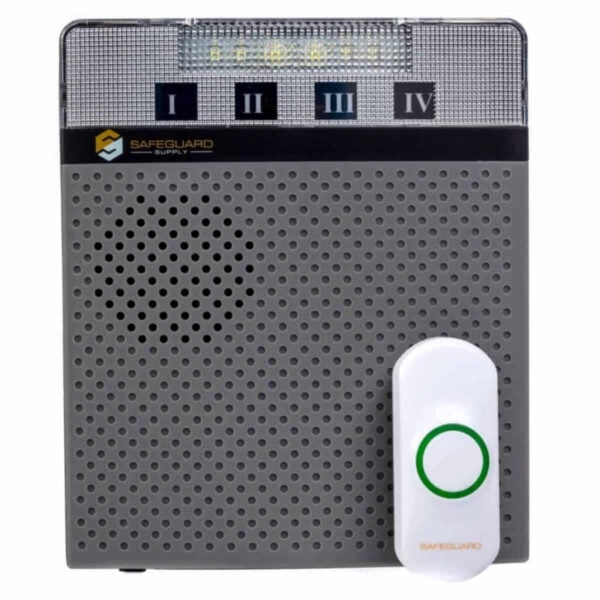
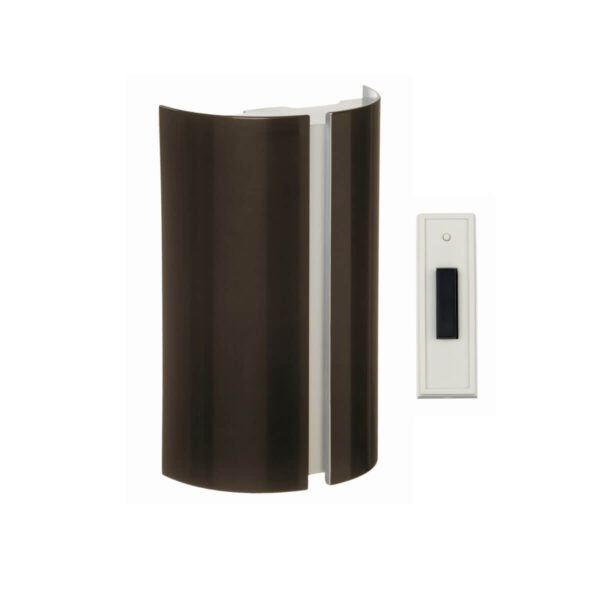
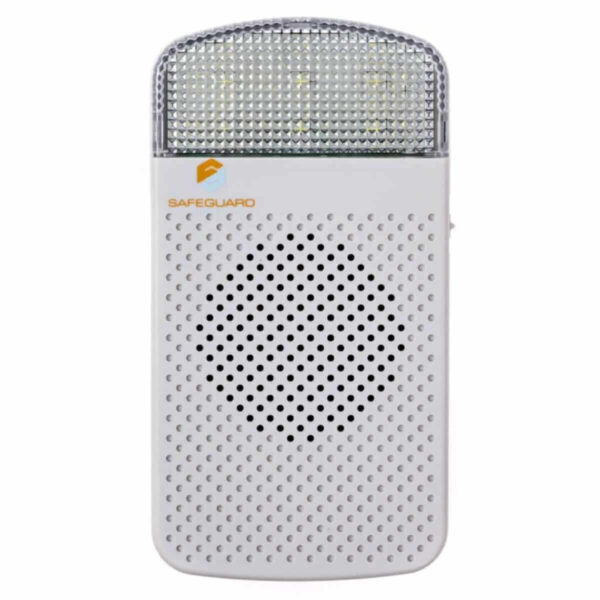

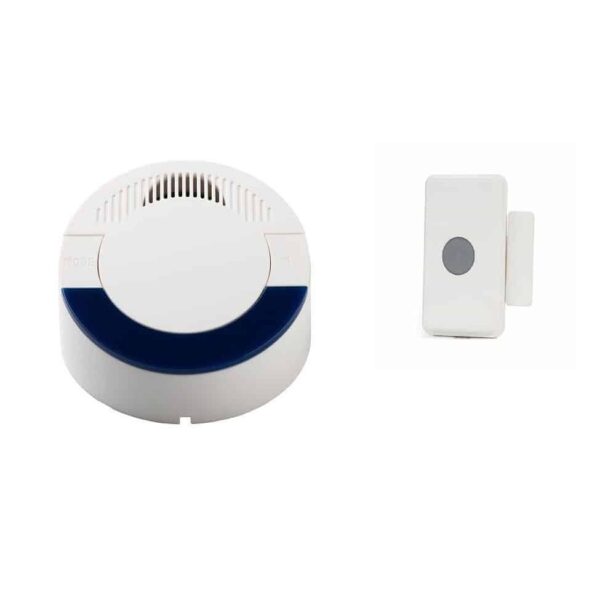
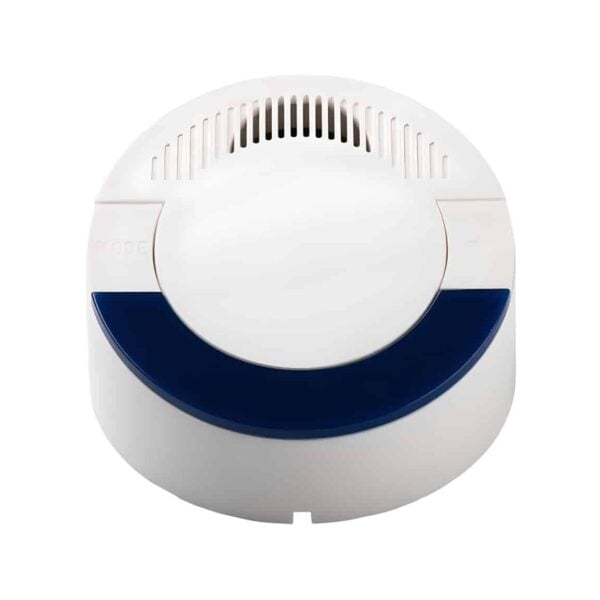
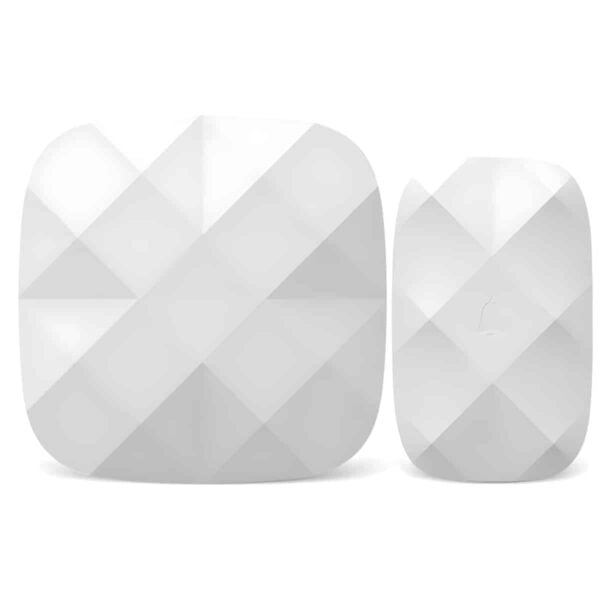
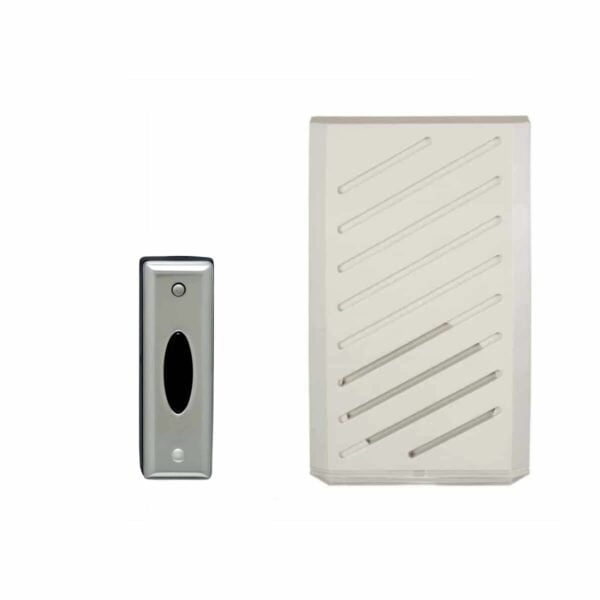
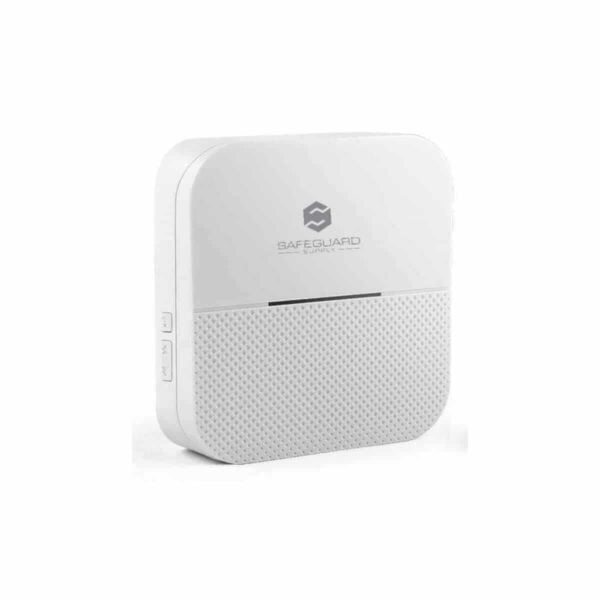
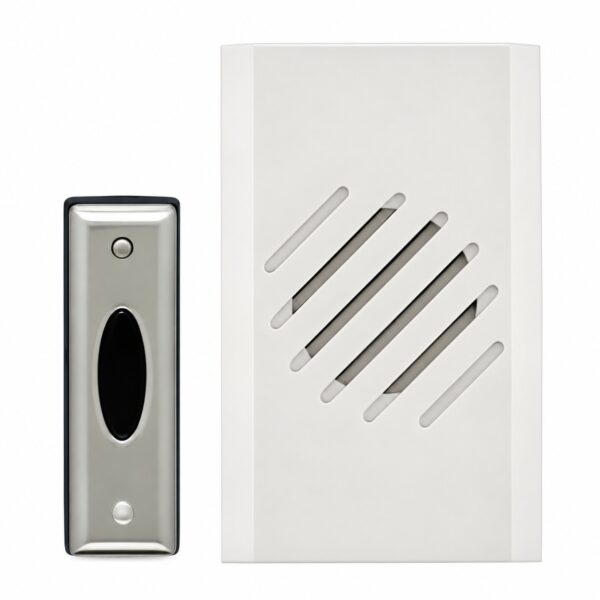
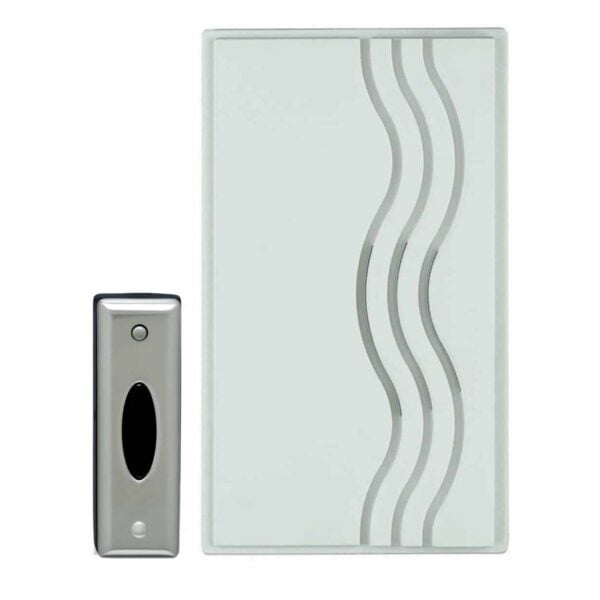
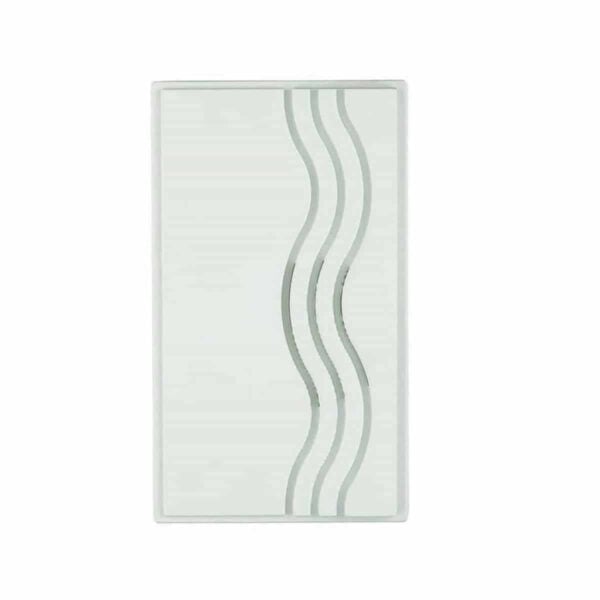
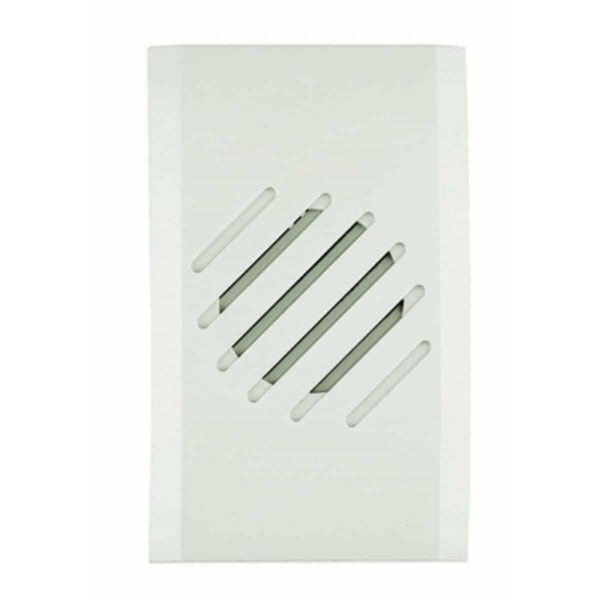
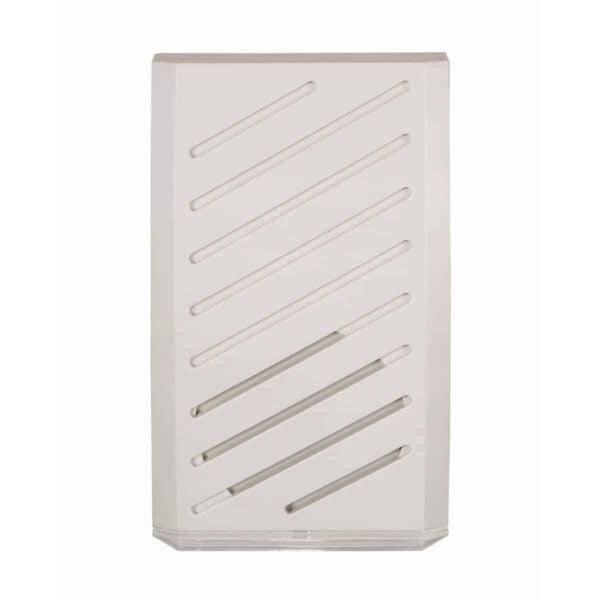
From $119
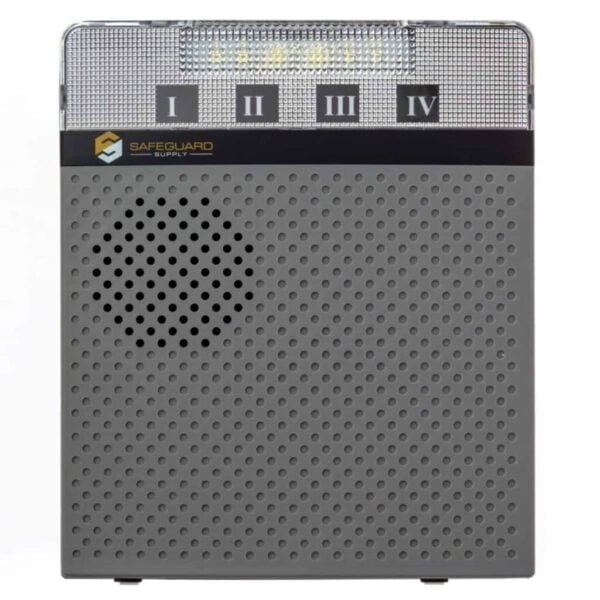
Warehouses, shops, and acreage
From $69
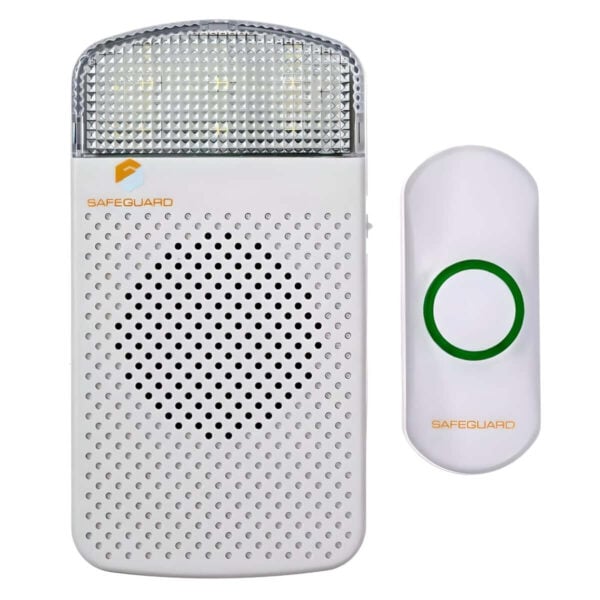
Large homes and small business coverage
From $39
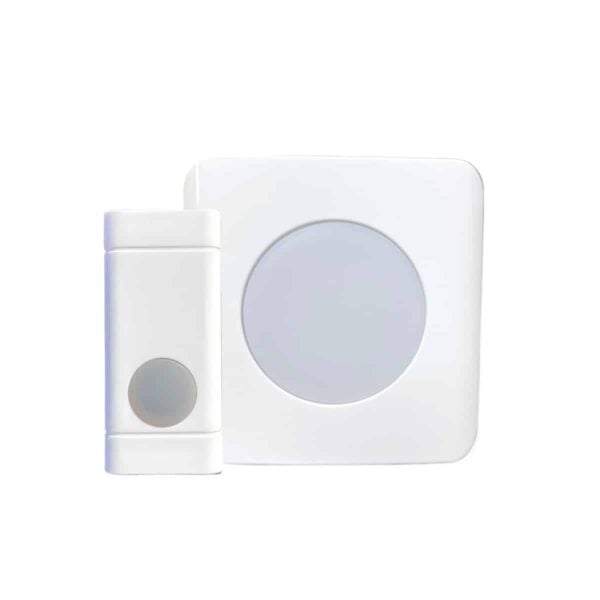
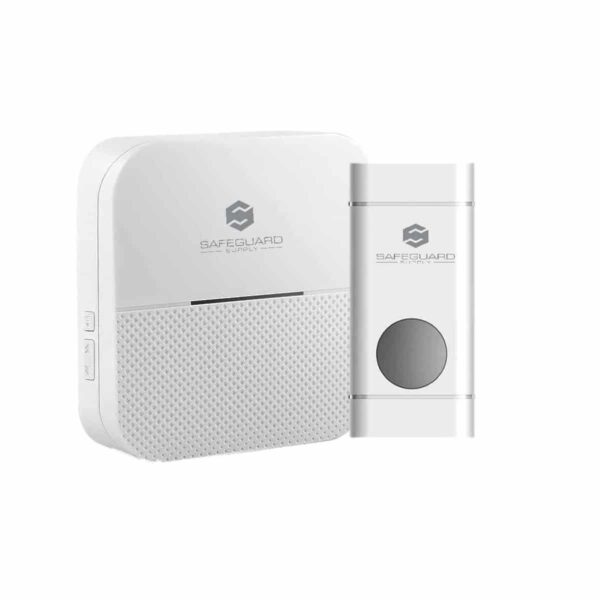
Standard homes and apartments
Choosing the right wireless doorbell starts with range, then special requirements, and finally the receiver style that best fits your space.
The biggest factor is the distance from the push button to the receiver. Published ranges are tested in ideal line-of-sight conditions, and walls or metal can reduce real-world performance.
If the location is loud or a user is hard of hearing, look for a wireless doorbell with strobe or other visual alerting.
Battery models offer flexibility and portability, while plug-in models remove receiver battery maintenance and often add extra features.
Most wireless doorbells fall into one of four types. Match the type to where you need the alert and how far the signal has to travel, then narrow down by brand and features.
The receiver plugs into any standard wall outlet, so there are no receiver batteries to replace — and plug-in units usually add adjustable volume and more melody options.
Best forA fixed indoor spot you always want covered — a kitchen, front hall, or shop counter.
A fully cordless receiver you can set down or carry anywhere without being tied to an outlet.
Best forRenters, larger homes, and anyone who wants to move the chime room to room — garage, patio, or upstairs.
Pairs a bright visual flash with the audible chime so an alert still lands when sound alone isn't enough.
Best forLoud workshops and warehouses, or deaf and hard-of-hearing users who can't rely on sound.
Transmitters and receivers rated for hundreds to thousands of feet — well past a basic 100–150 ft chime.
Best forLong driveways, big properties, and metal or concrete buildings where standard chimes drop out.
Still deciding between types? Tell us your setup and we'll point you to the right receiver.
Our wireless doorbells come from three receiver families. ERA is the long-range, most-expandable line for warehouses and big properties; LRA covers most homes and mid-size lots; and SS is the compact, value option for apartments and smaller spaces. Match the series to your range first, then choose receivers and features.
| Series | Range | Receivers | Expandability | Best for |
|---|---|---|---|---|
| ERA Series | Up to 4,000 ft | Plug-in & battery | 12 sensors + unlimited receivers | Warehouses, shops, and long driveways |
| LRA Series | Up to 1,000 ft | Plug-in, battery & portable | Add receivers as needed | Most homes, garages, and mid-size lots |
| SS Series | Up to 600 ft | Plug-in & battery | Add receivers as needed | Apartments, smaller homes, tighter budgets |
Published wireless ranges are line-of-sight estimates. Walls, metal, and building layout reduce real-world range, so size up when you are between two options.
Not quite the right fit? These related setups solve nearby problems.
Our wireless doorbells range from 600 ft (SS Series) to 4,000 ft (ERA Series). The right choice depends on the distance between your push button and receiver. When in doubt, choose the next range up because walls and building materials reduce effective range.
Yes. All of our systems use dedicated 433 MHz radio frequency with no WiFi, no app, and no internet required.
Yes. All three series are expandable. The ERA Series supports up to 12 transmitters per receiver, including push buttons and compatible sensors, plus unlimited receivers.
For most homes, start with the LRA Series because it gives more range and receiver options than a basic short-range kit. Use SS for smaller homes and apartments. Use ERA for larger homes, shops, detached garages, and difficult signal paths.
Choose a plug-in receiver when the chime can stay in one outlet. Choose a battery or portable receiver when you want to move the chime between rooms, the garage, the patio, or a work area.
It can, but metal siding, steel doors, racks, and machinery reduce range. For metal buildings, start with a stronger long-range series and plan receiver placement before choosing the kit.
We offer a 30-day money-back guarantee on all products. If it does not work at your location, return it for a full refund.
No. These wireless doorbells use dedicated radio signals between the push button or transmitter and the receiver. They do not require WiFi, an app, or a monthly service.
Move up by range family when the signal has to pass through brick, metal, several walls, or a detached building. The LRA Series is a common step up for larger homes, while ERA systems are the better fit for long range, loud receivers, strobes, and tougher building paths.
Yes. Most systems in this category can use additional receivers, so one door button can ring in a kitchen, bedroom, garage, office, or back room. Match added receivers to the same series as the transmitter.
Related support
Why Published Range Differs from Real-World Range When shopping for wireless doorbells, entrance alerts, driveway alarms, and other long-range wireless products, you’ll notice every product lists a maximum wireless range—typically stated as “up to X,000 feet.” For example, the Dakota Alert DCPA-4K-PLUS Driveway Alarm lists a range of “up to 5,000 feet.” It’s important to…
There are ways to cover multiple entrances when using a doorbell system. Click below to read the answer to the question. When we talk about using doorbell buttons for different doors we are typically referring to changing the tune a receiver (or multiple receivers) play when a paired button is pressed. Each manufacturer has a slightly…
Most Wireless buttons are NOT available lighted as they would require power 24/7 and drain the batteries too quickly. The only illuminated wireless buttons we are aware of are the LRA-PBTX and the ERA-PBTX. This wireless transmitter features a LED bulb that lights up the center push button whenever the visitor presses it, indicating a successful transmission. The ERA-PBTX consumes…